

Common CPR Mistakes That Can Reduce Survival Chances
Cardiac arrest can happen anytime, anywhere. In those critical moments, performing CPR correctly can mean the difference between life and death. However, many people unknowingly make mistakes during CPR that significantly reduce survival chances.
Understanding these common errors is essential to ensure that your actions truly help – not harm – the victim.
Why Proper CPR Technique Matters
Cardiopulmonary resuscitation (CPR) keeps oxygenated blood flowing to the brain and vital organs until professional help arrives. Even small mistakes can reduce effectiveness and lower survival rates.
Most Common CPR Mistakes to Avoid
1. Not Pushing Hard Enough
One of the most common mistakes is performing shallow chest compressions.
- Adults require compressions at least 5 cm deep
- Weak compressions fail to circulate blood effectively
Result: Reduced oxygen supply to the brain
2. Incorrect Compression Rate
CPR must be performed at the correct speed.
- Recommended rate: 100 – 120 compressions per minute
- Too slow = insufficient blood flow
- Too fast = ineffective compressions
3. Not Allowing Full Chest Recoil
Leaning on the chest between compressions prevents the heart from refilling properly.
Always allow the chest to return to its normal position after each compression.
4. Interrupting Compressions Too Often
Frequent pauses reduce the effectiveness of CPR.
- Avoid unnecessary stops
- Continue until AED is ready or help arrives
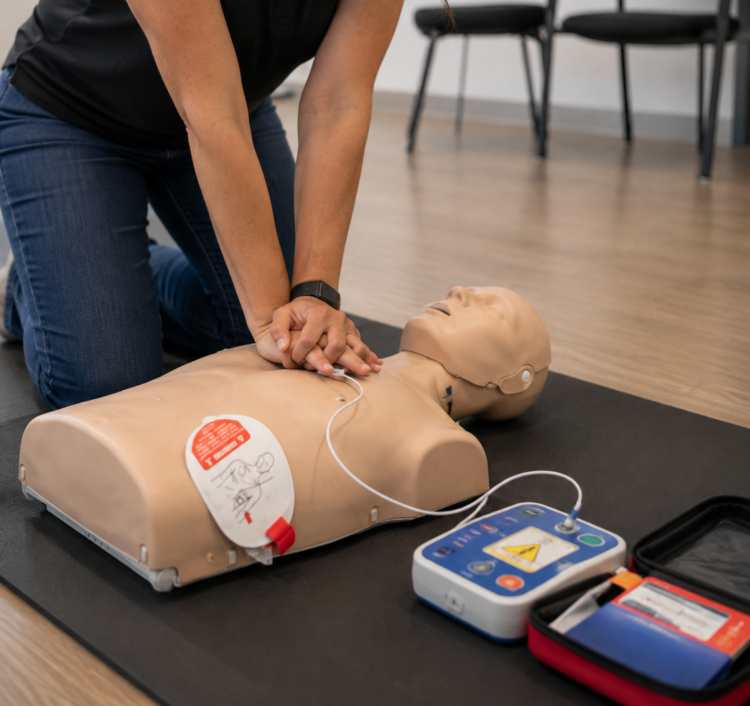
5. Incorrect Hand Placement
Hands placed incorrectly reduce compression efficiency.
- Place hands at the center of the chest (sternum)
- Avoid pressing on ribs or abdomen
6. Not Using an AED Quickly
An Automated External Defibrillator (AED) is critical for survival.
- Delaying AED use lowers survival chances
- AEDs are designed for public use and are safe
7. Fear of Causing Injury
Many people hesitate because they are afraid of breaking ribs.
Reality:
Broken ribs are less serious than death. Effective CPR is the priority.
8. Poor Ventilation Technique
If giving rescue breaths:
- Avoid excessive air
- Ensure proper head tilt and airway opening
9. Not Checking Responsiveness Properly
Skipping initial assessment can delay proper action.
- Check responsiveness
- Call for help immediately
- Start CPR without delay
10. Lack of Confidence or Training
Untrained responders often panic or perform CPR incorrectly.
Training builds confidence and improves response quality.
Tips to Perform CPR Correctly
- Push hard and fast (100 – 120/min)
- Allow full chest recoil
- Minimize interruptions
- Use AED as soon as possible
- Stay calm and focused
The Importance of CPR Training
Proper training ensures that you:
- Respond quickly in emergencies
- Perform CPR correctly and confidently
- Increase survival chances significantly
Without training, even well-intentioned efforts may not be effective.
Conclusion
CPR saves lives – but only when performed correctly. Avoiding these common mistakes can significantly improve survival outcomes during cardiac emergencies.
Every second counts. The right knowledge can make you the difference between life and death.
Don’t wait for an emergency to realize the importance of proper CPR skills.
Join FERA’s Basic Occupational First Aid, CPR & AED Training and gain hands-on experience guided by certified instructors.
HRD Corp Claimable
Certificate & First Aider Card
Practical, Real-Life Training
WhatsApp Now: https://wa.me/60122730893
Learn More: https://fera.com.my