
Introduction
In Malaysia, fire safety compliance is a critical requirement for many commercial and industrial buildings. One of the most important approvals is the BOMBA Certificate, also known as the Fire Certificate (FC). Without this certificate, businesses may not be allowed to operate legally. Therefore, understanding how the BOMBA certificate in Malaysia works is essential for building owners, developers, and facility managers.
What is a BOMBA Certificate?
A BOMBA Certificate is an official approval issued by the Jabatan Bomba dan Penyelamat Malaysia confirming that a building complies with fire safety requirements.
This certificate ensures that:
- Fire protection systems are installed
- Safety equipment is functional
- Emergency procedures are in place
In addition, the certificate must be renewed periodically to maintain compliance.
Who Needs a BOMBA Certificate in Malaysia?
Not all buildings require a Fire Certificate, but it is mandatory for certain types of premises.
Common buildings that require FC:
- Commercial buildings
- Factories and industrial facilities
- Hotels and shopping malls
- Hospitals and high-risk premises
Therefore, building owners must check whether their premises fall under BOMBA regulations.
Requirements for BOMBA Certificate
To obtain a BOMBA certificate, buildings must meet specific fire safety requirements.
1. Fire Protection Systems
- Fire alarm system
- Fire sprinkler system
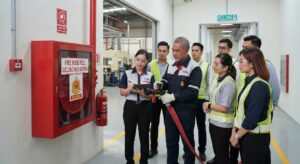
- Fire hose reel
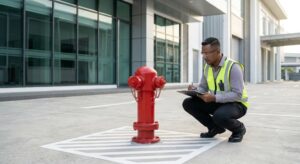
- Fire hydrant system
2. Fire Safety Equipment
- Fire extinguishers
- Emergency lighting
- Fire doors
- Exit signage
3. Documentation
- System design drawings
- Maintenance records
- Safety reports
4. Compliance with Standards
All systems must follow Malaysian fire safety standards and guidelines.
As a result, proper preparation is required before inspection.
BOMBA Certificate Application Process
The application process involves several steps.
Step 1: Preparation
Ensure all fire safety systems and documents are ready.
Step 2: Submission
Submit application to BOMBA for inspection.
Step 3: Inspection
BOMBA officers will inspect the building based on safety requirements.
Step 4: Approval
If all requirements are met, the Fire Certificate will be issued.
However, if there are issues, corrections must be made before approval.
Common Reasons for Rejection
Many applications are rejected due to:
- Non-functioning fire systems
- Incomplete documentation
- Poor maintenance
- Non-compliance with standards
Therefore, proper preparation is critical.
How to Prepare for BOMBA Inspection
To increase approval chances:
- Conduct internal fire safety audit
- Test all fire systems
- Update maintenance records
- Ensure exit routes are clear
- Work with experienced consultants
Renewal of BOMBA Certificate
The Fire Certificate must be renewed annually.
Renewal requirements:
- Updated inspection records
- System maintenance reports
- Continued compliance
Failure to renew may result in penalties or closure of premises.
Professional Support for BOMBA Certificate
To simplify the process, businesses can work with:
- Fire safety equipment providers: AITO
- Fire safety training providers: FERA
- Fire engineering consultants: FESDES
These services help ensure full compliance and faster approval.
Why BOMBA Certificate is Important
The BOMBA certificate ensures:
- Legal operation of business
- Safety of occupants
- Reduced fire risk
- Compliance with regulations
Overall, it is essential for both safety and business continuity.
Conclusion
A BOMBA certificate in Malaysia is a key requirement for buildings to operate safely and legally. By meeting all fire safety requirements and preparing properly for inspection, businesses can avoid delays and ensure smooth approval.
With the right preparation and professional support, obtaining a BOMBA certificate becomes easier and more efficient.
Need help with BOMBA certificate application and compliance?
Contact FERA today for professional support and consultation.
FAQ
1. What is a BOMBA certificate?
It is a Fire Certificate issued by BOMBA to confirm fire safety compliance.
2. Is BOMBA certificate mandatory?
Yes, for certain commercial and industrial buildings.
3. How long does approval take?
It depends on readiness and compliance of the building.
4. How often must it be renewed?
Typically once a year.
5. Why do applications fail?
Due to non-compliance, poor maintenance, or missing documents.
6. Can consultants help with application?
Yes, working with professionals improves approval chances.