
Safety Course in Malaysia: Fire Safety Training for Workplace Preparedness
Workplace safety is a critical responsibility for every organisation. From offices and factories to commercial buildings and industrial facilities, businesses must ensure employees understand safety procedures and are prepared to respond during emergencies.
One of the most effective ways to strengthen workplace preparedness is through a safety course in Malaysia. These training programmes equip employees with practical knowledge on fire safety, emergency response and compliance with fire safety regulations.
At FERA Training Center, a range of professional fire safety and facility safety courses are provided to help organisations improve safety awareness and ensure compliance with fire safety standards.
Why Safety Courses Are Important
Safety training helps organisations reduce workplace risks and improve emergency response capability.
Without proper training, businesses may face:
- Workplace accidents and injuries
- Fire hazards and safety violations
- Poor emergency response during incidents
- Non-compliance with fire safety regulations
- Potential operational disruption
By attending a safety course in Malaysia, employees learn how to identify risks, follow safety procedures and respond effectively during emergencies.
Fire Safety Courses Offered by FERA
FERA provides structured safety courses focusing on fire safety facilities, compliance and emergency preparedness. These programmes are suitable for companies, building management teams and safety officers.
Some of the key courses include:
1) Basic Fire Safety
This course introduces the fundamentals of fire prevention and fire protection systems used in buildings.
Participants will learn:
- Basic fire safety principles
- Fire hazards and prevention methods
- Fire protection systems in buildings
- Workplace fire safety practices
This training is suitable for employees who need general awareness of fire safety.
2) Active and Passive Fire Protection System
Modern buildings rely on both active and passive fire protection systems to reduce fire risks.
This course explains the role of systems such as:
- Fire alarms
- Sprinkler systems
- Fire extinguishers
- Fire-rated walls and compartments
Participants gain a better understanding of how these systems work together to improve building fire safety.
3) Application Requirement for CCC (Fire Scope)
Obtaining the Certificate of Completion and Compliance (CCC) requires proper fire safety planning and documentation.
This course explains:
- Fire safety requirements for CCC approval
- Fire protection system compliance
- Documentation and inspection processes
- Regulatory considerations for building safety
It is particularly useful for developers, consultants and facility managers involved in building projects.
Fire Emergency Response and Training
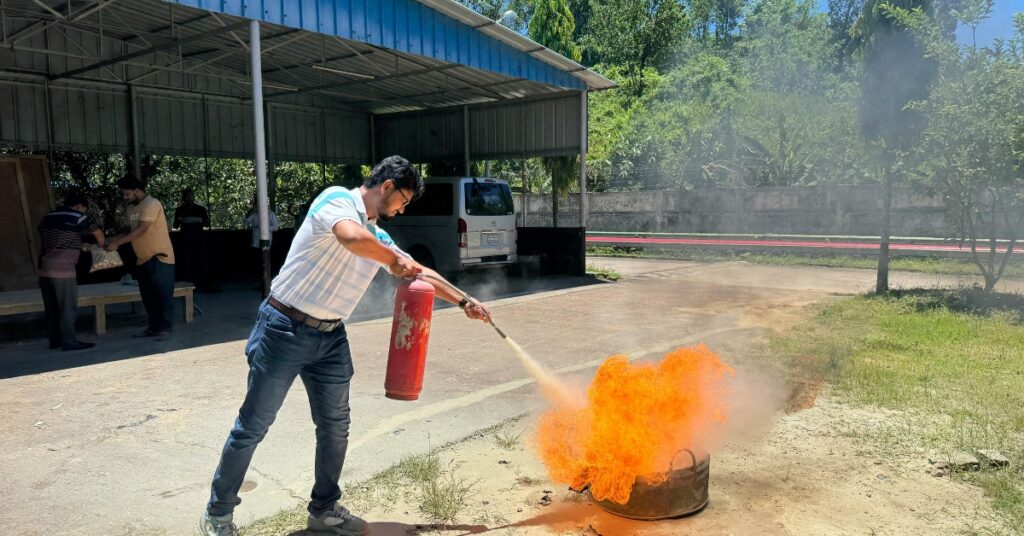
Apart from safety facility courses, organisations also benefit from practical emergency response training.
This includes training programmes such as:
- Fire fighting training
- Emergency Response Team (ERT) training
- Fire drill and evacuation procedures
- Fire investigation awareness
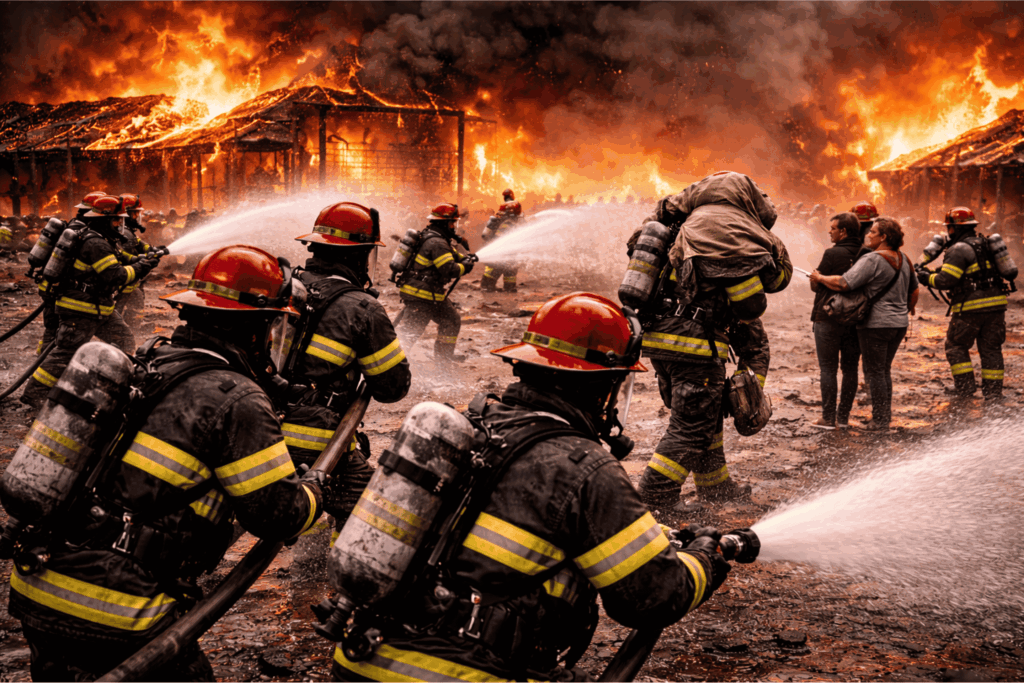
These programmes help employees respond quickly and safely during fire incidents.
Who Should Attend Safety Courses?
Safety courses are suitable for many roles within an organisation, including:
- Safety officers
- Building and facility managers
- Industrial supervisors
- Emergency response team members
- Corporate employees responsible for safety
Even office-based organisations can benefit from fire safety awareness training.
Benefits of Professional Safety Training
1) Improved Workplace Safety
Employees understand fire risks and safety procedures.
2) Faster Emergency Response
Trained personnel can act quickly during fire incidents.
3) Compliance with Fire Safety Standards
Organisations can meet fire safety requirements more effectively.
4) Reduced Operational Risk
Proper training helps minimise damage and disruption caused by emergencies.
Safety Training at FERA
FERA Training Center provides professional fire safety training programmes designed for real workplace situations. Courses are delivered by experienced trainers and combine theoretical knowledge with practical understanding.
Organisations can also arrange customised training sessions depending on operational needs and workplace environment.
By investing in professional safety courses in Malaysia, companies can build a safer working environment while ensuring compliance with fire safety requirements.
Conclusion
Safety training plays a key role in preventing accidents and improving emergency preparedness. With proper knowledge of fire safety systems and compliance requirements, employees can help protect lives, property and business operations.
FERA offers structured fire safety courses in Malaysia designed to improve safety awareness and ensure organisations are prepared for fire-related emergencies.
Contact us for more detail about our courses.