

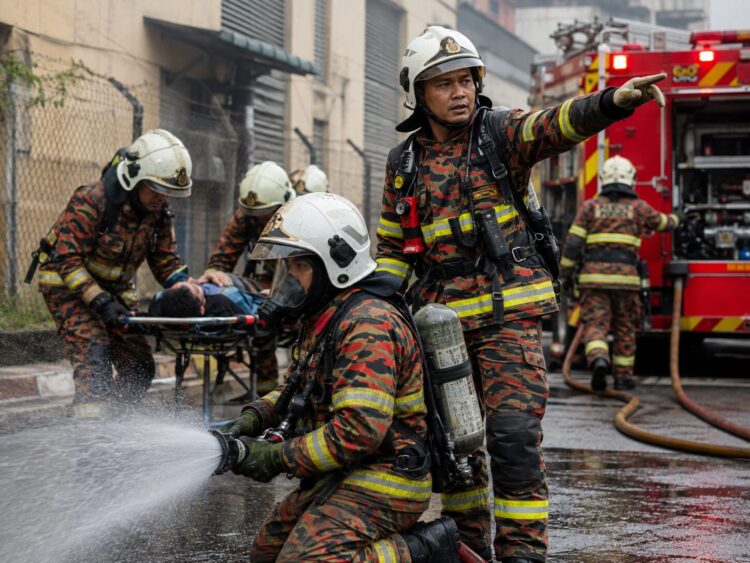
What Is an Emergency Response Team (ERT)?
Emergencies can happen in any workplace, regardless of the organisation’s size or industry. Fires, medical emergencies, chemical spills, gas leaks, equipment failures and natural disasters can develop quickly and place employees, visitors, property and business operations at risk.
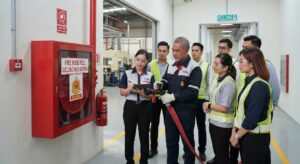
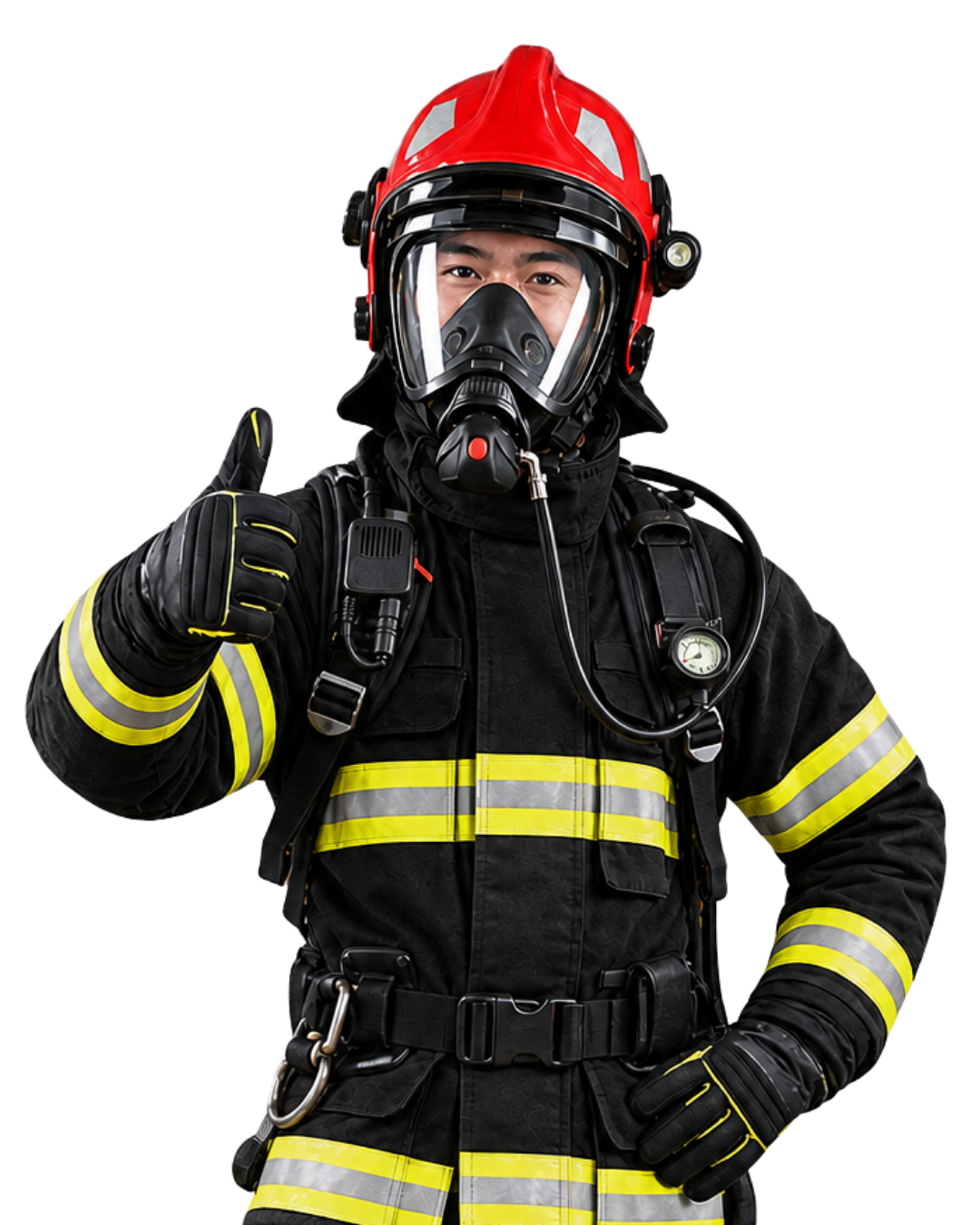
An Emergency Response Team (ERT) is a group of employees who have been appointed and trained to respond during the early stages of an emergency. Their main responsibility is to take immediate, organised and safe action while waiting for professional emergency services to arrive.
An effective ERT does not replace the Fire and Rescue Department, medical personnel or other emergency agencies. Instead, the team acts as the organisation’s first line of response during the critical first few minutes of an incident.
Malaysia’s occupational safety and health management guidance also highlights the importance of assessing potential accidents and establishing appropriate emergency response arrangements based on the risks present in the workplace.
What Does ERT Stand For?
ERT stands for Emergency Response Team.
The team normally consists of selected employees from different departments who receive additional training in areas such as:
- Emergency evacuation
- Fire emergency response
- First aid and CPR
- Emergency communication
- Incident coordination
- Hazardous material spill response
- Search and rescue awareness
- Crowd and assembly-point management
The exact responsibilities of an ERT should be based on the organisation’s workplace hazards, building layout, number of occupants, industry and Emergency Response Plan.
For example, an office-based ERT may focus mainly on evacuation, first aid and fire extinguisher awareness. An ERT in a factory, chemical facility or warehouse may require more advanced training involving firefighting equipment, hazardous material response and incident command.
Why Is an Emergency Response Team Important?
During an emergency, confusion and panic can delay evacuation and increase the risk of injury. Employees may not know where to go, who to contact or how to assist someone who requires help.
A trained ERT provides a clear structure for managing the situation.
1. Provides Immediate Emergency Assistance
External emergency services may require time to reach the workplace. During this period, trained ERT members can activate alarms, guide occupants to safety, provide initial first aid and communicate important information to emergency responders.
Early action may help prevent a small incident from developing into a more serious emergency.
2. Supports Safe Evacuation
ERT members help ensure that employees, visitors and contractors move towards the correct emergency exits and assembly points.
They may also assist:
- Persons with disabilities
- Injured individuals
- Visitors who are unfamiliar with the building
- Employees working in isolated areas
- Occupants who require additional assistance
ERT members should understand the building layout, evacuation routes, assembly-point procedures and methods for accounting for occupants.
3. Reduces Injuries and Property Damage
A prepared team can identify hazards, isolate affected areas and take appropriate initial action without unnecessarily placing themselves or others at risk.
Depending on their training and the nature of the incident, ERT members may use suitable fire extinguishers, control access to an unsafe area, provide first aid or assist with a small spill.
ERT members must always operate within their level of training. They should not enter dangerous environments or attempt activities that require specialist emergency personnel.
4. Improves Emergency Communication
Poor communication can create confusion during an emergency.
An organised ERT helps communicate important information such as:
- The type and location of the emergency
- Areas that must be evacuated
- The condition of injured persons
- Missing or unaccounted-for occupants
- Hazards present at the scene
- The location of emergency equipment
- Access routes for emergency vehicles
Clear communication allows management and external emergency responders to make faster and better-informed decisions.
5. Supports Business Continuity
Emergencies can interrupt operations, damage equipment and affect employees, customers and the organisation’s reputation.
An ERT supports business continuity by helping the organisation manage the initial response, reduce unnecessary losses and begin recovery activities in a more organised manner.
What Are the Main Responsibilities of an ERT?
ERT responsibilities may differ between workplaces, but most teams perform several common functions.
Before an Emergency
ERT members help improve workplace preparedness by:
- Identifying potential emergency hazards
- Understanding the Emergency Response Plan
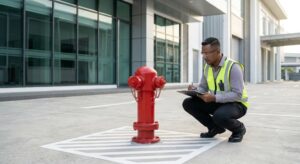
- Inspecting evacuation routes and assembly points
- Participating in emergency drills
- Checking the accessibility of emergency equipment
- Learning emergency contact and communication procedures
- Understanding individual roles and reporting structures
- Encouraging emergency awareness among employees
Regular preparation is important because emergency procedures may change when the workplace layout, workforce, machinery or operational risks are updated.
During an Emergency
When an emergency occurs, the ERT may:
- Raise or activate the emergency alarm
- Contact emergency services
- Assess the situation from a safe location
- Initiate evacuation procedures
- Guide occupants towards emergency exits
- Assist injured persons within the team’s competency
- Use emergency equipment when safe and appropriate
- Prevent unauthorised persons from entering hazardous areas
- Account for occupants at the assembly point
- Provide information to firefighters, medical teams or authorities
The team must follow the organisation’s Emergency Response Plan and the instructions of the appointed incident commander.
After an Emergency
Once the situation has been controlled, the ERT may assist with:
- Recording details of the incident
- Reporting injuries, damage and response activities
- Conducting a post-incident review
- Identifying weaknesses in the emergency procedure
- Replacing or servicing used emergency equipment
- Updating the Emergency Response Plan
- Planning corrective actions and additional training
Post-incident reviews help organisations learn from actual events and improve future emergency preparedness.
Common Roles in an Emergency Response Team
The size and structure of an ERT should reflect the organisation’s risks and operational requirements.
ERT Leader or Incident Commander
The ERT leader coordinates the overall emergency response and ensures that team members perform their assigned duties.
The leader may communicate with senior management and external emergency services, assess available information and determine whether evacuation or other emergency actions are required.
Fire Response Team
The fire response team is trained to identify fire hazards and provide an appropriate initial response.
Depending on the training provided, responsibilities may include:
- Raising the fire alarm
- Identifying the type of fire
- Selecting the appropriate fire extinguisher
- Supporting evacuation activities
- Reporting fire conditions to firefighters
Employees should never attempt to fight a fire that is spreading, producing heavy smoke or creating an unsafe escape route.
Fire Wardens or Evacuation Wardens
Fire wardens guide occupants out of the building and towards the designated assembly point.
They may check assigned areas when it is safe to do so, prevent occupants from using lifts and communicate evacuation updates to the ERT leader.
Organisations can strengthen this function through professional Fire Warden Training.
First Aid Team
First aiders provide initial assistance to injured or unwell individuals while waiting for professional medical support.
Their responsibilities may include:
- Assessing the casualty
- Providing basic first aid
- Performing CPR when required
- Using an Automated External Defibrillator
- Controlling bleeding
- Monitoring the casualty
- Providing information to medical personnel
Employees assigned to this role should receive suitable Basic Occupational First Aid and CPR Training.
Communication Coordinator
The communication coordinator contacts emergency services and provides accurate information about the incident.
The coordinator may also communicate with employees, building management, security personnel and other relevant parties.
Assembly-Point Coordinator
The assembly-point coordinator manages occupants after evacuation.
Responsibilities may include:
- Organising employees by department
- Conducting a headcount
- Recording missing persons
- Preventing occupants from re-entering the building
- Reporting attendance information to the ERT leader
What Types of Emergencies Can an ERT Handle?
An Emergency Response Team may be prepared to respond to:
- Workplace fires
- Medical emergencies
- Chemical spills
- Gas leaks
- Electrical incidents
- Machinery-related accidents
- Building evacuations
- Floods and severe weather
- Structural damage
- Workplace violence or security threats
- Vehicle incidents within company premises
- Other emergencies identified through risk assessment
The organisation should not use a single response procedure for every situation. Different emergencies require different controls, communication methods, personal protective equipment and evacuation decisions.
Who Should Join the Emergency Response Team?
ERT members should be selected based on their suitability, availability and ability to perform their assigned duties.
Potential ERT members may include:
- Safety and Health Officers
- OSH Coordinators
- Facility managers
- Building managers
- Security personnel
- Maintenance employees
- Production supervisors
- Department representatives
- First aiders
- Fire wardens
- Engineering personnel
- Employees responsible for workplace safety
ERT members should be familiar with the workplace and able to remain calm, follow instructions and communicate clearly during stressful situations.
Where possible, organisations should appoint sufficient team members to cover different shifts, departments, floors and work areas.
What Training Does an ERT Need?
Reading an emergency procedure alone is not enough to prepare an employee for a real emergency.
ERT training should combine theoretical knowledge with practical exercises. FERA’s ERT programme covers areas such as emergency response planning, communication procedures, emergency equipment and incident command systems.
Emergency Response Planning
Participants should understand:
- Workplace hazards
- Emergency notification procedures
- Evacuation routes
- Assembly points
- Emergency contact numbers
- Individual responsibilities
- Reporting and communication structures
Fire Safety and Fire Extinguisher Training
ERT members should learn about fire behaviour, fire classifications, extinguisher selection and safe evacuation decisions.
Practical exercises allow participants to develop confidence in handling emergency equipment without exceeding their level of training.
First Aid, CPR and AED
Medical emergencies may happen at any workplace. Having trained first aiders within the ERT allows the organisation to provide immediate assistance before professional medical help arrives.
Emergency Evacuation
ERT members should know how to guide occupants, assist vulnerable individuals, conduct headcounts and manage assembly points.
Regular fire drills allow the organisation to test whether its evacuation procedures are realistic and effective.
Incident Command and Communication
A structured command system prevents multiple individuals from giving conflicting instructions.
ERT members should understand who is responsible for making decisions, contacting emergency services, coordinating evacuation and communicating information during an incident.
Practical Emergency Drills
Scenario-based exercises help participants apply their knowledge under controlled conditions.
Emergency drills may reveal issues such as:
- Blocked escape routes
- Unclear team responsibilities
- Communication failures
- Slow evacuation
- Inaccurate headcounts
- Poor assembly-point control
- Employees who do not recognise the alarm
Organisations should document these findings and use them to improve their Emergency Response Plan.
How Often Should ERT Training Be Conducted?
ERT competency should be maintained through periodic training, drills and refresher sessions.
Training frequency should consider:
- Workplace risk level
- Changes in team membership
- Employee turnover
- New machinery or chemicals
- Changes to the building layout
- Results from previous drills
- Lessons from actual incidents
- Changes to emergency procedures
Newly appointed ERT members should receive appropriate training before being assigned emergency responsibilities.
ERT vs Fire Warden: What Is the Difference?
An ERT usually covers a broader range of emergencies, while a Fire Warden focuses primarily on fire prevention, evacuation and occupant safety.
A Fire Warden may form part of the organisation’s ERT structure.
| Emergency Response Team | Fire Warden |
|---|---|
| Responds to multiple types of emergencies | Primarily supports fire safety and evacuation |
| May include first aid, firefighting and spill-response roles | Guides occupants towards emergency exits |
| Works under an emergency command structure | Manages an assigned floor, zone or department |
| Supports initial incident control | Supports evacuation and assembly-point procedures |
Both roles are important and should work together during workplace emergencies.
How to Establish an Effective ERT
Organisations can begin establishing an ERT by following these steps:
Step 1: Identify Workplace Hazards
Conduct a risk assessment to identify possible fires, chemical incidents, medical emergencies, equipment failures and other emergency scenarios.
Step 2: Develop an Emergency Response Plan
The plan should explain:
- How alarms are activated
- Who contacts emergency services
- Who leads the response
- How evacuation is conducted
- Where occupants should assemble
- How injured persons are assisted
- How visitors and contractors are managed
Step 3: Appoint Suitable Team Members
Select employees from relevant departments, shifts and work areas. Assign clear responsibilities to every member.
Step 4: Provide Practical Training
Ensure team members receive training that matches the hazards present in the workplace.
FERA offers structured Emergency Response Team Training for organisations that want to strengthen their emergency preparedness and response capabilities. FERA’s programme includes options based on different levels of awareness, response complexity and workplace risk.
Step 5: Conduct Emergency Drills
Test the Emergency Response Plan through realistic exercises and record the results.
Step 6: Review and Improve
Update the plan, team structure and training programme whenever weaknesses or new risks are identified.
Common ERT Mistakes to Avoid
An ERT may be ineffective when:
- Members have not received practical training
- Roles and responsibilities are unclear
- The team does not cover every shift
- Emergency contact information is outdated
- Employees do not recognise the alarm
- Assembly points are poorly managed
- Emergency exits are blocked or locked
- Drills are conducted only as a formality
- Incident findings are not documented
- Team members attempt activities beyond their training
Emergency exits and evacuation routes must remain accessible and properly maintained. Read more about common emergency exit safety mistakes.
Conclusion
An Emergency Response Team is an essential part of workplace emergency preparedness.
A properly selected and trained ERT can support evacuation, provide initial emergency assistance, improve communication and reduce the impact of workplace incidents. However, the team must have clear responsibilities, an updated Emergency Response Plan, appropriate equipment and regular practical training.
Emergency preparedness should not begin after an incident happens. Organisations should prepare their employees, test their procedures and strengthen their response capabilities before an emergency occurs.
Prepare Your Emergency Response Team with FERA
FERA Training Center provides practical and industry-focused Emergency Response Team Training in Malaysia.
Our training programmes help participants develop knowledge and practical skills in:
- Workplace emergency preparedness
- Emergency Response Plan implementation
- Fire emergency response
- Fire extinguisher handling
- Emergency evacuation
- First aid awareness
- Incident command
- Team coordination
- Practical emergency simulations
Training may be conducted at the FERA Training Center or arranged as an in-house programme at your organisation’s premises, subject to training requirements.
Build a confident and prepared Emergency Response Team before an emergency happens.
Contact FERA Training Center today:
WhatsApp: 012-273 0893
Email: [email protected]
Website: www.fera.com.my
FERA Training Center
Train. Respond. Save.