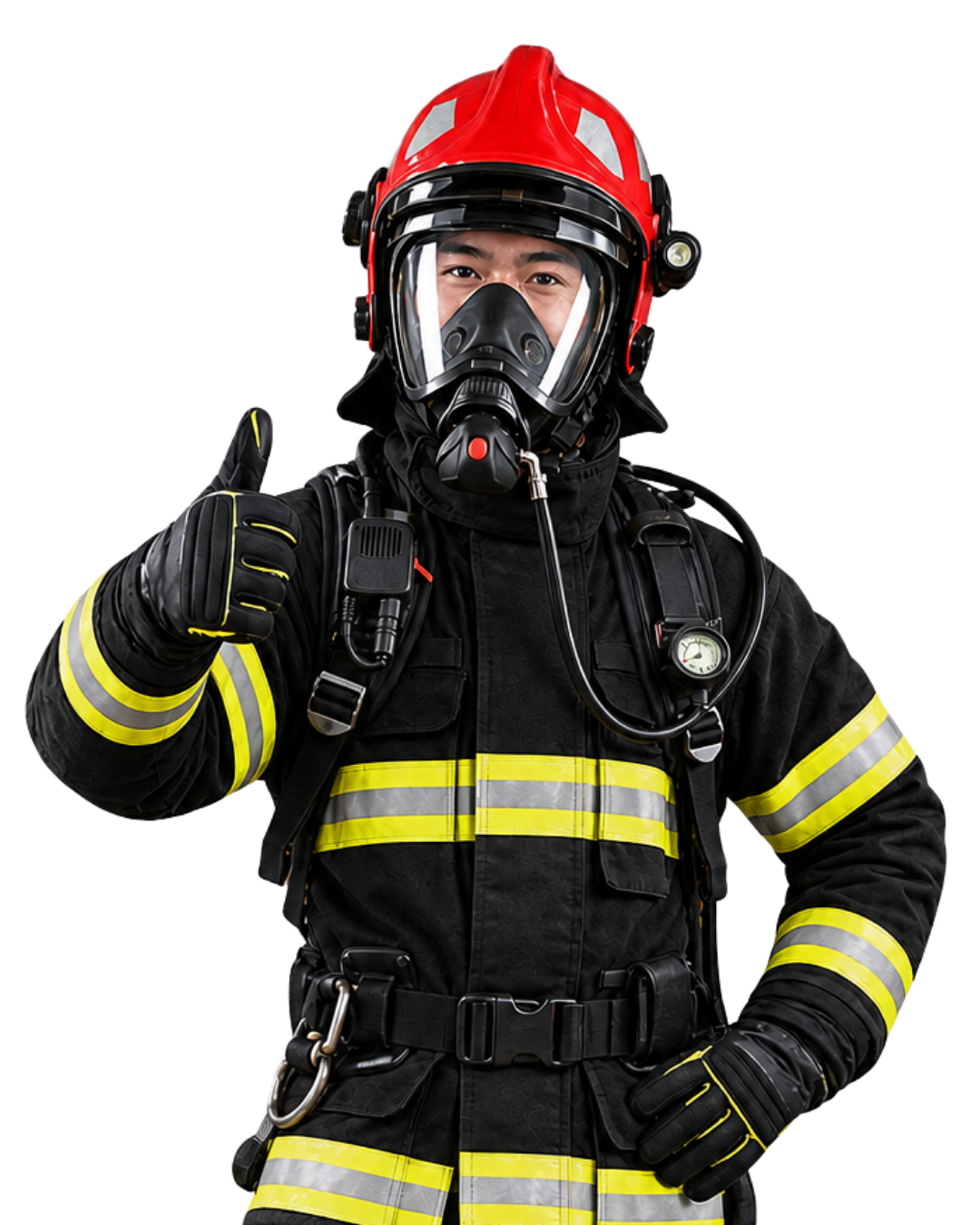



In the event of a fire, proper building design and maintenance play a critical role in ensuring effective fire protection. These elements help occupants evacuate safely, reduce fire spread, and provide better conditions for rescue teams.
Time is critical during a fire. Therefore, effective fire protection must consider the building design and how occupants use the space. A strong strategy combines both active and passive systems to create a complete safety approach.
Understanding Fire Development
A major challenge in fire safety occurs when a fire reaches the fully developed stage, known as flashover. At this stage, fire spreads rapidly and becomes extremely dangerous.
Therefore, the main goal of fire protection is to contain the fire for as long as possible. This allows occupants to escape safely and gives rescue teams time to respond.
Active Fire Protection Systems
Active fire protection systems respond directly during a fire. These systems include:
- Fire alarm systems
- Sprinkler systems
- Fire extinguishers
- Standpipe systems
- Smoke extraction systems
These systems work automatically. For example, fire alarms alert occupants when smoke or fire is detected. At the same time, sprinkler systems and extinguishers help control the fire before it spreads further.
In addition, smoke extraction systems remove smoke from the building. This improves visibility and delays flashover, making evacuation safer.
Passive Fire Protection Systems
Passive fire protection focuses on containing fire within specific areas. It uses structural elements such as:
- Fire-rated walls and floors
- Fire-resistant structural components
- Compartmentation systems
These systems slow down the spread of fire and protect the building structure. As a result, occupants have more time to evacuate safely.
Why Active and Passive Systems Must Work Together
Active and passive systems must work together. One system alone is not enough.
For example, a sprinkler system cannot function effectively if the ceiling collapses. Similarly, poor compartmentation allows fire and smoke to spread quickly.
Therefore, combining both systems ensures better safety and performance during real fire situations.
Key Design Considerations for Fire Protection
Effective design requires attention to detail. Critical areas include:
- Wall and ceiling connections
- Structural joints and fixing points
- Pipe and cable penetrations
- Openings and service shafts
All gaps and openings must be sealed properly. If not, they can allow fire and smoke to spread quickly.
In addition, materials and systems must be tested under real conditions, not just laboratory tests.
Escape Routes and Evacuation Planning
Proper escape routes are essential for fire protection. Buildings should include:
- Multiple escape routes
- At least two staircases for high-rise buildings
- Pressurized staircases to prevent smoke entry
Escape routes must always remain clear. In addition, they should use non-combustible materials whenever possible.
Refuge Areas and Safety Zones
Modern design often includes refuge areas or safety zones. These areas provide:
- Temporary safe spaces for evacuees
- Protection for injured or disabled occupants
- Support areas for rescue teams
As a result, evacuation becomes safer and more organised.
Installation and Maintenance Matters
Even the best system will fail if installation is poor. Therefore:
- Systems must follow local regulations
- Installation must be done by qualified professionals
- Regular inspection and maintenance are required
Proper execution ensures long-term safety and system reliability.
Achieving Effective Fire Protection
Its requires a balanced approach. It involves:
- High-quality building design
- Integration of active and passive systems
- Proper escape planning
- Continuous risk management
Overall, these elements work together to protect occupants, support rescue operations, and minimise damage to the building.