
Every employer in Malaysia carries a legal duty to keep their workforce safe from fire hazards. Yet one of the most common questions safety officers and HR managers ask is this — how often must employees receive fire safety training, exactly? The answer depends on your industry, your risk level, and what Malaysian law specifically requires.
In this guide, you will find a clear breakdown of the legal requirements, the recommended training frequency for different workplace types, and what happens when employers skip or delay fire safety training altogether.
What Malaysian Law Says About Fire Safety Training Frequency
Malaysian law does not leave fire safety training to the discretion of individual employers. Specifically, the Occupational Safety and Health Act 1994 (OSHA 1994) places a clear legal duty on every employer to provide adequate information, instruction, training, and supervision to ensure the safety and health of all employees at work.
Under Section 15 of OSHA 1994, this duty applies continuously — meaning a one-time induction session does not fulfil the requirement. Employers must review and repeat training whenever circumstances change, whenever new hazards arise, or whenever a set period has passed since the last session.
Additionally, the Fire Services Act 1988 gives Bomba (Malaysia’s Fire and Rescue Department) the authority to inspect premises and enforce fire safety compliance. Bomba officers can — and do — issue notices requiring employers to conduct fire safety drills and training programmes.
Furthermore, DOSH enforces the Occupational Safety and Health (Safety and Health Officer) Regulations 1997, which require appointed Safety and Health Officers to plan, organise, and execute safety training programmes as part of their defined role.
Key Point: In Malaysia, fire safety training is not optional and it is not a one-time event. The law treats it as an ongoing employer obligation — and Bomba or DOSH can inspect your records at any time.
So How Often Must Employees Receive Fire Safety Training?
The short answer is: at minimum once a year for most workplaces, and more frequently for high-risk environments. Here is a clear breakdown by category:
General Office and Low-Risk Workplaces — Once a Year
For standard office environments, retail premises, and low-risk commercial buildings, fire safety training should occur at least once every 12 months. This annual session typically covers:
- Fire hazard awareness and prevention
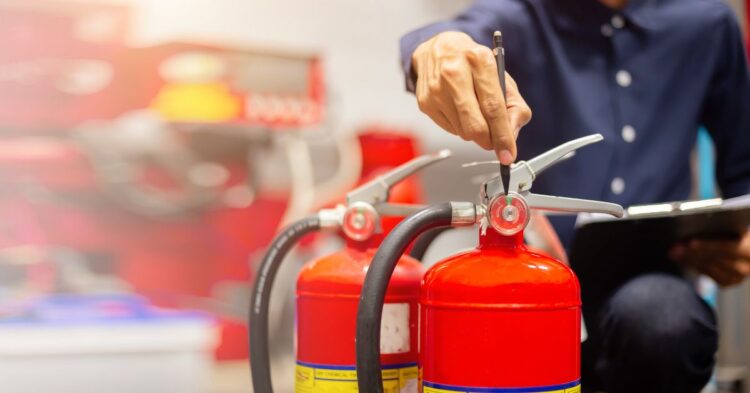
- Understanding the different types of fire extinguishers and how to use them
- Fire evacuation procedures and assembly point locations
- The role and responsibilities of fire wardens in an evacuation
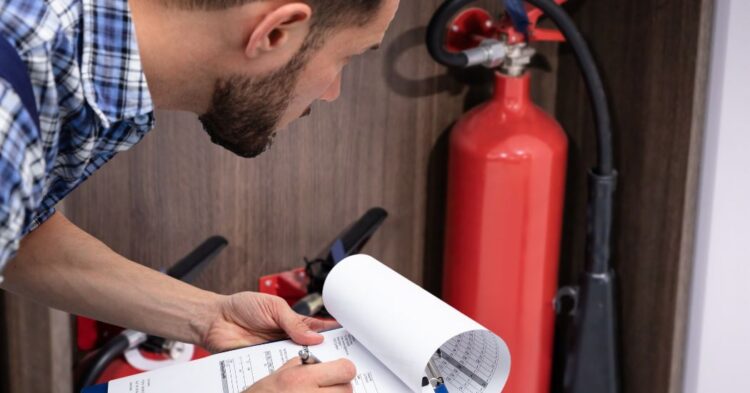
Annual training ensures staff retain practical knowledge and stay familiar with current evacuation routes, especially after office relocations or renovations.
Manufacturing, Industrial, and High-Risk Workplaces — Every 6 Months
Workplaces that handle flammable materials, chemicals, or heavy machinery carry a significantly higher fire risk. Consequently, fire safety training in these environments should occur every six months at minimum. Additionally, HAZMAT environments may require even more frequent refreshers depending on the substances involved.
High-risk workplaces that need biannual training include:
- Chemical and petrochemical plants
- Oil and gas facilities
- Warehouses storing flammable goods
- Factories with welding, cutting, or heat-generating processes
- Hospitals and healthcare facilities managing flammable or reactive substances
New Employees — Before They Start Work or Within 30 Days
New employees must receive fire safety training before they begin work, or at the latest within their first 30 days on the job. This applies regardless of the industry. Specifically, new staff training must cover:
- The location of all fire exits, extinguishers, and alarm points
- The procedure for raising a fire alarm
- Their personal role in the evacuation plan
- Who the designated fire wardens are and how to follow their instructions
Waiting until the next scheduled group training session to onboard a new employee is a compliance risk — and a genuine safety hazard.
After a Fire Incident or Near-Miss — Immediately
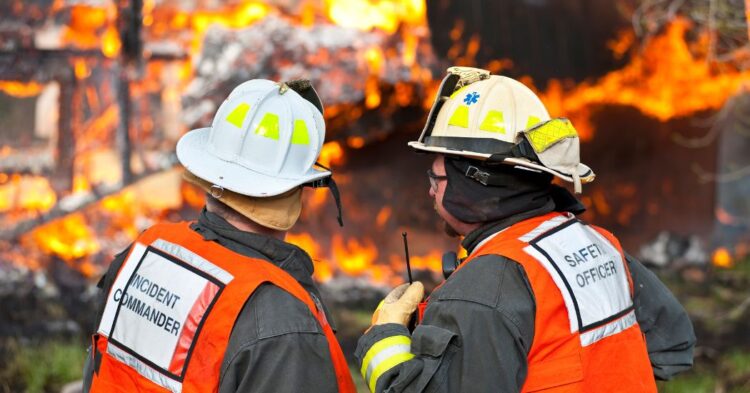
Whenever a fire, near-miss, or significant fire safety failure occurs at your premises, you must conduct a review and deliver refresher training as soon as practically possible. Specifically, this post-incident training should address:
- What went wrong and why
- How the evacuation or response could have improved
- Any changes to procedures, equipment, or layout that follow the incident
Documenting this training is equally important, as Bomba and DOSH may review your records during any subsequent investigation.
After Major Workplace Changes — Within 30 Days
Significant changes to the workplace trigger a mandatory training refresh. These changes include:
- Office or facility relocation
- Major renovation or layout change affecting fire exits or escape routes
- Introduction of new equipment, materials, or processes that alter the fire risk profile
- Appointment of new fire wardens or changes to the emergency response structure
What Must Fire Safety Training Cover?
Frequency alone does not fulfil your legal obligation. The content of each training session must meet minimum standards to satisfy OSHA 1994 and Bomba requirements. Each fire safety training session must cover:
- Fire prevention — How fires start, the fire triangle, and common causes of workplace fires in Malaysia
- Fire classification — The classes of fire (A, B, C, D, K) and why the correct extinguisher matters for each type
- Alarm and evacuation procedures — How to raise the alarm, primary and secondary evacuation routes, assembly point protocols, and the role of fire wardens
- Fire extinguisher use — The PASS method (Pull, Aim, Squeeze, Sweep) and which extinguisher to use on which fire class
- Fire warden duties — Who the designated wardens are, their specific responsibilities during an evacuation, and how staff should respond to their instructions
- Practical fire drill — At least once a year, a full evacuation drill must accompany the classroom or theory component
How Often Must You Conduct a Fire Drill in Malaysia?
Fire drills and fire safety training are related but distinct requirements. Under Bomba guidelines and OSHA 1994 provisions, most workplaces must conduct at least one fire evacuation drill per year. However, high-risk premises — particularly those that fall under CIMAH 1996 — must run drills at least twice a year.
A fire drill must simulate realistic evacuation conditions. Specifically, it must test:
- The speed and efficiency of full building evacuation
- Staff knowledge of primary and secondary exit routes
- The effectiveness of fire warden coordination
- Communication between wardens, the emergency coordinator, and Bomba
After each drill, your Safety and Health Officer (SHO) must document the drill, record any problems observed, and outline corrective actions. Bomba and DOSH treat drill records as evidence of compliance during inspections.
What Happens If You Do Not Train Your Employees?
Skipping or delaying fire safety training exposes your organisation to serious consequences — legal, financial, and human. Under OSHA 1994, an employer who fails to provide adequate safety training commits an offence. The penalties include:
- Fines of up to RM50,000 for a first offence
- Imprisonment of up to two years for a first offence
- Both fine and imprisonment for repeat offences
- Stop-work orders issued by DOSH until compliance is restored
Beyond the legal penalties, the human cost is far greater. According to Bomba’s annual statistics, the majority of workplace fire fatalities in Malaysia involve employees who did not receive adequate fire safety training or did not know how to evacuate correctly.
Furthermore, insurance providers in Malaysia increasingly require evidence of regular fire safety training as a condition of commercial property and liability coverage. Failing to maintain training records can therefore void your insurance claim in the event of a fire.
Who Is Responsible for Fire Safety Training in the Workplace?
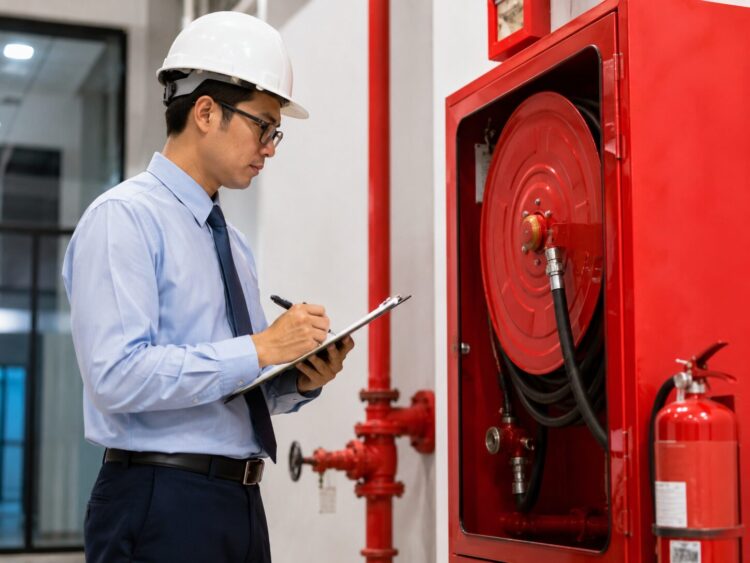
Under OSHA 1994, the employer carries the primary legal responsibility. However, in practice, fire safety training responsibility falls across several roles:
- The Employer — Must allocate budget, ensure training occurs at the required frequency, and maintain records
- The Safety and Health Officer (SHO) — Plans and organises training programmes, conducts risk assessments, and liaises with external trainers
- Fire Wardens — Lead evacuation procedures during drills and real emergencies, and must themselves receive additional warden-specific training
- The Emergency Response Team (ERT) — Manages fire response operations, coordinates with Bomba, and ensures trained first responders are always present on site
If your organisation does not yet have a trained ERT or appointed fire wardens, addressing this gap must become a priority before your next scheduled training cycle.
How to Keep Compliant — A Simple Training Schedule
Many organisations find it helpful to build fire safety training into an annual compliance calendar. Here is a practical framework you can adapt:
| Period | Action Required |
| January | Annual fire safety theory training — all staff |
| March | Fire warden refresher training |
| June | Fire evacuation drill — full building |
| July | New employee induction fire safety training (ongoing) |
| September | High-risk area refresher — factory floor, chemical store |
| November | Annual compliance review — update training records |
| December | Review and update Emergency Response Plan (ERP) |
Adapting this schedule to your specific workplace risk level and regulatory category ensures you stay ahead of DOSH and Bomba inspection requirements throughout the year.
Is This Training HRDCorp Claimable in Malaysia?
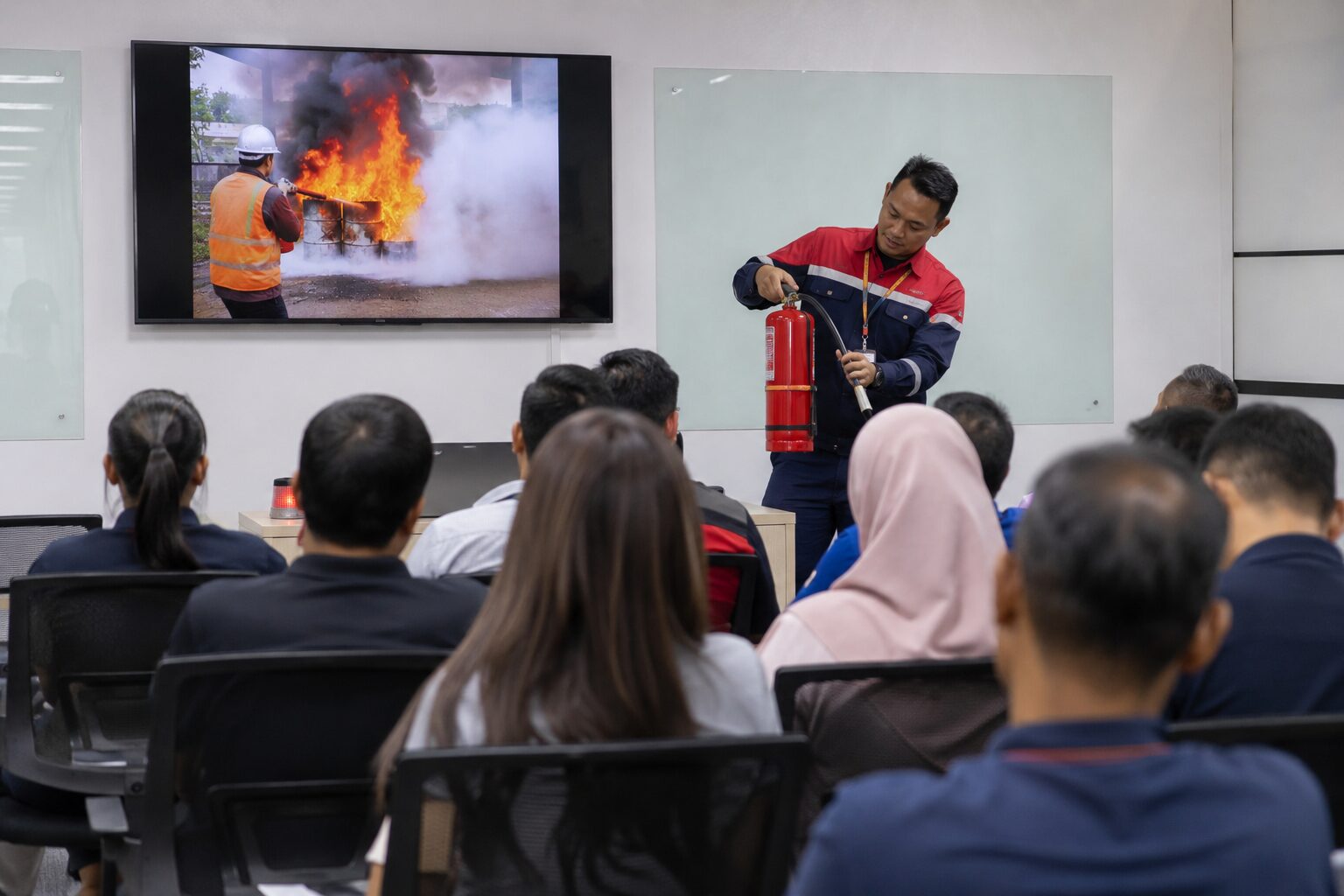
Yes. Fire safety training programmes that meet HRDCorp (Human Resources Development Corporation) standards qualify for SBL-Khas claims, meaning your organisation can recover the full training cost. FERA Training Center is a registered HRDCorp training provider, which means all our fire safety and emergency response training programmes are fully claimable under the HRDCorp levy scheme.
This removes one of the most common reasons organisations delay training — cost. With HRDCorp funding, fire safety training becomes a zero out-of-pocket investment for qualifying employers.
Frequently Asked Questions
Q1: How often must employees receive fire safety training in Malaysia? At minimum, most workplaces must conduct fire safety training once a year. High-risk environments such as factories, chemical plants, and oil and gas facilities should train every six months. New employees need training within their first 30 days, and any workplace incident or major change triggers an immediate refresher.
Q2: Is fire safety training a legal requirement in Malaysia? Yes. Under Section 15 of the Occupational Safety and Health Act 1994 (OSHA 1994), every employer must provide adequate training to ensure employee safety. DOSH and Bomba both have authority to inspect training records and issue compliance notices.
Q3: What should fire safety training include? Every session must cover fire prevention, fire classification, evacuation procedures, fire extinguisher use (the PASS method), fire warden roles, and — at least annually — a full evacuation drill. High-risk workplaces must also include HAZMAT-specific response procedures where applicable.
Q4: How often must a workplace conduct a fire drill? Most workplaces must run at least one full fire evacuation drill per year. Premises under CIMAH 1996 — typically high-risk industrial sites — must conduct drills at least twice a year. Your Safety and Health Officer must document every drill and record any corrective actions.
Q5: Can we claim fire safety training costs through HRDCorp? Yes. FERA Training Center holds HRDCorp registration, meaning all fire safety and emergency response training programmes qualify for SBL-Khas claims. Contact FERA to confirm eligibility for your specific training programme and company size.
Train Your Team with FERA — Malaysia’s Certified Provider
FERA Training Center delivers certified fire safety training programmes for workplaces across Malaysia — from annual staff refreshers to full Emergency Response Team (ERT) certification and NFPA-accredited courses.
Our programmes cover every frequency requirement under OSHA 1994 and Bomba guidelines, and every session is HRDCorp claimable.
We offer:
- Annual fire safety awareness training for all staff levels
- Fire warden training and certification
- Emergency Response Team (ERT) training
- Fire evacuation drill planning and facilitation
- HAZMAT training (NFPA 472)
- On-site training at your premises across Peninsular Malaysia
Ready to schedule your next fire safety training session? Contact FERA today and we will build a training calendar that keeps your organisation fully compliant year-round.
WhatsApp: 019-303 4001 Email: [email protected] Website: fera.com.my