Common First Aid Mistakes People Make During Emergencies
Why First Aid Mistakes Can Be Dangerous
During emergencies, every second counts. However, panic, lack of training, or misinformation can lead to critical first aid mistakes that may worsen the victim’s condition instead of helping.
In Malaysia, many incidents at workplaces, homes, and public areas highlight the importance of proper first aid knowledge. Knowing what NOT to do is just as important as knowing what to do.
10 Common First Aid Mistakes You Must Avoid
1. Not Calling Emergency Services Immediately
One of the biggest mistakes is delaying a call to emergency responders.
Always contact 999 immediately in serious situations before attempting first aid.
2. Moving the Victim Without Assessing Injuries
Improper movement can worsen spinal or internal injuries.
Only move the victim if there is immediate danger (e.g., fire, explosion).
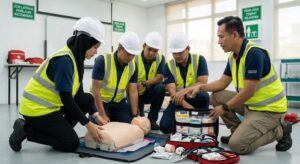
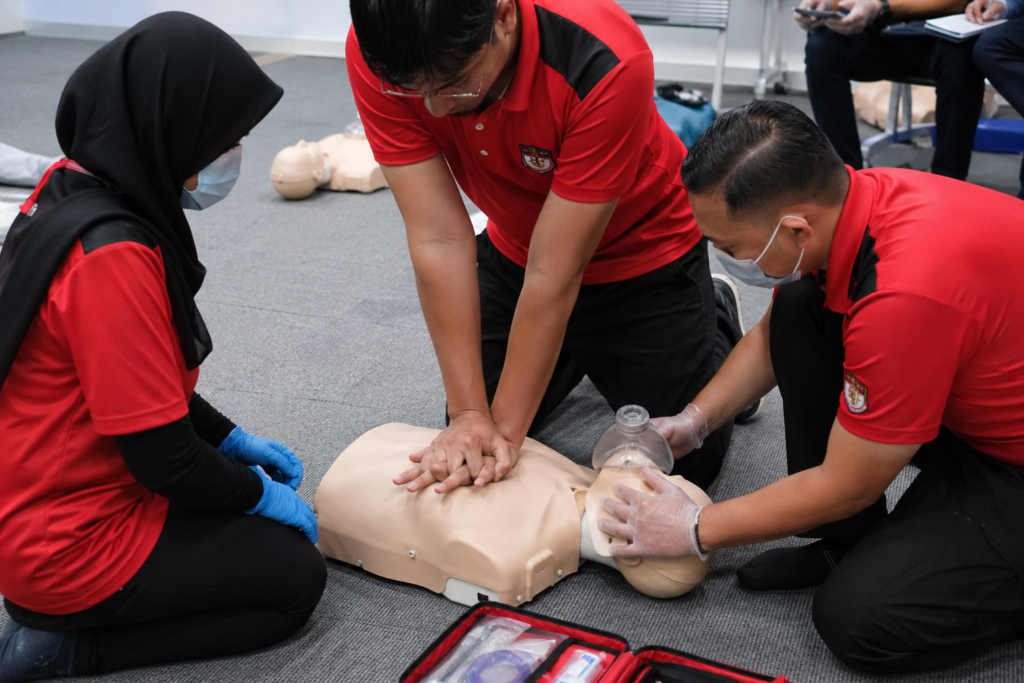
3. Performing CPR Incorrectly
Incorrect hand placement or rhythm can reduce effectiveness.
Proper CPR technique is crucial to maintain blood circulation and oxygen supply.
4. Giving Food or Drink to an Unconscious Person
This can cause choking or airway blockage.
Never give anything by mouth to someone who is unconscious.
5. Ignoring Scene Safety
Many responders forget to assess danger first.
Always ensure the area is safe before approaching the victim.
6. Using Ice Directly on Burns
Applying ice directly can damage skin tissue further.
Instead, cool burns with clean running water for at least 10–20 minutes.
7. Applying the Wrong Treatment to Bleeding
Using improper methods can increase blood loss.
Apply direct pressure with a clean cloth or bandage.
8. Tilting the Head Too Far Back
Over-tilting can block the airway, especially in trauma cases.
Use proper airway positioning techniques carefully.
9. Removing Objects Stuck in Wounds
Pulling objects out may cause severe bleeding.
Leave objects in place and stabilize them until medical help arrives.
10. Overconfidence Without Training
Assuming you know what to do without proper training can be dangerous.
First aid requires hands-on practice and certified knowledge.
The Importance of Proper First Aid Training
Many of these mistakes happen due to lack of awareness or training. Structured training helps individuals:
- Respond confidently during emergencies
- Apply correct techniques safely
- Avoid life-threatening errors
- Protect both the victim and responder
In workplaces, proper training is not just beneficial it is part of safety compliance and responsibility.
How to Respond Correctly During Emergencies
Follow these simple steps:
- Stay calm and assess the situation
- Ensure the scene is safe
- Call emergency services (999)
- Check responsiveness and breathing
- Provide appropriate first aid
- Wait for professional help
Conclusion
First aid can save lives but only when done correctly. Avoiding common mistakes is critical to ensuring the victim’s safety and improving survival chances.
Being prepared is not optional. It is a responsibility.
Join FERA’s Basic Occupational First Aid, CPR & AED Training and gain real, practical lifesaving skills.
HRD Corp Claimable
Certified Training
Hands-on Practice
Experienced Trainers
Register now via WhatsApp:
https://wa.me/60122730893