

Why FSM & FSO Are Critical for Fire Safety Compliance and Audit in Malaysia
Introduction
Fire safety is no longer just a recommendation it is a legal obligation in Malaysia. Under the Fire Services Act 1988 (Act 341), certain premises are required to appoint a Fire Safety Manager (FSM) and Fire Safety Officer (FSO) as part of the Organisasi Keselamatan Kebakaran (OKK).
Failure to comply can result in penalties, failed audits, and increased risk during emergencies. This article explains why FSM and FSO play a critical role in compliance, audit readiness, and overall fire risk management.
What Are FSM & FSO?
Fire Safety Manager (FSM)
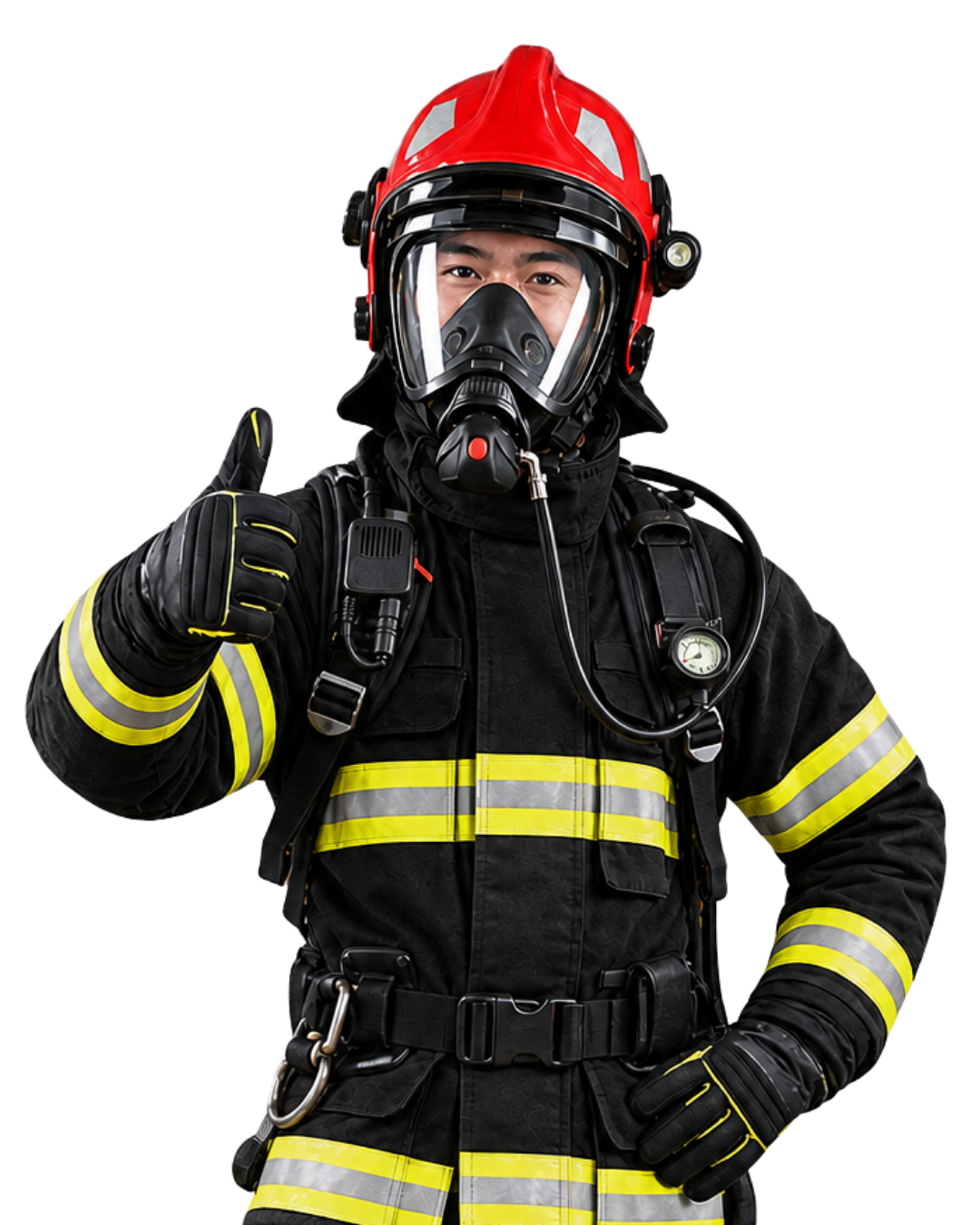
An FSM is responsible for the overall fire safety management system within a building or facility. This includes planning, compliance, documentation, and coordination with authorities.
Fire Safety Officer (FSO)
An FSO supports the FSM by focusing on daily operational fire safety, inspections, and ensuring readiness during emergencies.
Legal Requirement in Malaysia
Under Act 341, designated premises such as:
- High-rise buildings
- Factories and industrial sites
- Hotels and commercial complexes
Must appoint FSM & FSO as part of compliance.
Key Legal Points:
- FSM/FSO certification validity: 3 years
- Renewal required: 90 days before expiry
- Competency course required every 6 years
- Only one FSM/FSO per premise (unless approved otherwise by JBPM)
Non-compliance may lead to:
- Legal penalties
- Insurance complications
- Audit failure
Why FSM & FSO Are Critical for Fire Safety Compliance
1. Ensure Full Regulatory Compliance
FSM and FSO ensure your organization complies with:
- Fire Services Act 1988
- JBPM requirements
- UBBL (Uniform Building By-Laws)
They act as the bridge between your organization and regulators.
2. Maintain Proper Documentation
During audits, documentation is everything. FSM/FSO ensure:
- Fire drill records
- Maintenance logs
- Inspection reports
- Emergency response plans
are complete, updated, and audit-ready.
3. Conduct Regular Inspections
Routine inspections ensure:
- Fire extinguishers are functional
- Alarm systems are operational
- Exit routes are clear
This reduces the risk of system failure during emergencies.
4. Lead Emergency Response Effectively
In a real fire situation:
- FSM acts as the command leader
- FSO supports on ground evacuation and coordination
This structured response can save lives and reduce damage.
5. Strengthen Audit Readiness
Auditors will assess:
- Fire safety systems
- Staff preparedness
- Documentation
- Compliance status
Having FSM/FSO ensures your organization is always audit ready, not just during inspection periods.
Role of FSM & FSO in Fire Safety Audits
During an audit, FSM & FSO are responsible for:
- Presenting compliance documents
- Demonstrating emergency procedures
- Explaining fire safety systems
- Coordinating with auditors
They ensure:
No missing records
No expired certifications
No compliance gaps
Risks of Not Appointing FSM & FSO
Organizations without FSM/FSO face serious risks:
- Failed fire safety audits
- Legal action and fines
- Increased fire hazards
- Poor emergency response
- Damage to company reputation
In worst-case scenarios, lack of preparedness can lead to loss of lives and assets.
How FSM & FSO Improve Workplace Safety Culture
Beyond compliance, FSM & FSO help build:
- Fire safety awareness among staff
- Regular training and drills
- Proactive risk identification
- Strong emergency preparedness
This creates a culture of safety, not just compliance.
Who Needs to Appoint FSM & FSO?
You are likely required to appoint FSM/FSO if your premise is:
- A high-rise building
- A manufacturing facility
- A commercial complex
- A hotel or large public building
If unsure, it is best to consult a qualified training provider or fire safety expert.
How to Become a Certified FSM or FSO
To be certified:
- Attend an approved FSM/FSO training course
- Pass the required assessment
- Register with Jabatan Bomba dan Penyelamat Malaysia (JBPM)
Conclusion
FSM and FSO are not just roles they are critical pillars of fire safety compliance and audit success in Malaysia.
They ensure:
- Legal compliance
- System readiness
- Effective emergency response
- Audit preparedness
Without them, organizations are exposed to serious legal and safety risks.
Don’t wait for an audit failure or emergency to act.
Equip your organization with certified FSM & FSO today.
Call / WhatsApp: https://wa.me/60122730893
Email: [email protected]