What Is NFPA 70E?
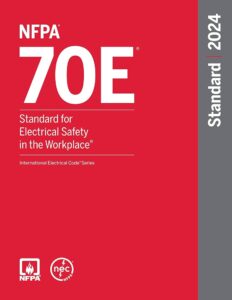
NFPA 70E – Standard for Electrical Safety in the Workplace is published by the National Fire Protection Association (NFPA).
The standard provides practical guidance on how to protect employees who work on or near energized electrical equipment.
NFPA 70E complements electrical installation standards by focusing specifically on safe work practices, risk assessment, and hazard control to reduce the likelihood and severity of electrical incidents.
Why NFPA 70E Is Important
Electrical hazards often occur silently and escalate rapidly. NFPA 70E helps organisations:
-
Reduce the risk of arc flash and electric shock
-
Protect workers through structured safety procedures
-
Improve compliance with occupational safety requirements
-
Minimise downtime, injuries, and equipment damage
-
Strengthen overall electrical safety culture
For industries such as manufacturing, oil & gas, utilities, construction, and facilities management, NFPA 70E is considered a global benchmark for electrical safety.
Key Hazards Addressed by NFPA 70E
NFPA 70E focuses on identifying and controlling major electrical hazards, including:
-
Arc Flash – explosive release of energy causing extreme heat and pressure
-
Electric Shock & Electrocution – direct contact with energized conductors
-
Arc Blast – pressure waves and flying debris from electrical faults
-
Thermal Burns – severe burns from electrical energy exposure
Core Elements of NFPA 70E
1. Electrical Hazard Risk Assessment
Employers are required to assess electrical hazards before any work begins. This includes identifying shock and arc flash risks and determining appropriate control measures.
2. Safe Work Practices
NFPA 70E establishes clear procedures such as:
-
Energized work permits
-
Lockout/Tagout (LOTO)
-
Establishing approach boundaries
-
Job safety planning
3. Arc Flash & Shock Boundaries
Defined boundaries help control access to hazardous areas and ensure only qualified personnel perform electrical work.
4. Personal Protective Equipment (PPE)
The standard specifies appropriate PPE based on hazard levels, including:
-
Arc-rated clothing
-
Insulated gloves
-
Face shields and hoods
-
Electrical safety footwear
5. Training & Qualification
Only qualified persons who have received proper NFPA 70E training should work on or near energized electrical systems.
Who Should Be Trained in NFPA 70E?
NFPA 70E training is essential for:
-
Electrical engineers and technicians
-
Maintenance and facilities personnel
-
Safety officers and HSE professionals
-
Supervisors overseeing electrical work
-
Contractors working on energized systems
Benefits of NFPA 70E Training
Organisations that implement NFPA 70E benefit from:
-
Improved worker confidence and competency
-
Reduced electrical incidents and near misses
-
Better regulatory and audit readiness
-
Stronger safety leadership and accountability
Conclusion
NFPA 70E is more than a standard, it is a critical safety framework that saves lives, protects assets, and strengthens workplace safety performance. By adopting NFPA 70E principles and ensuring proper training, organisations take a proactive step toward preventing electrical accidents before they happen.
REGISTER NOW
NFPA 70E – Electrical Safety in the Workplace ⚡
Limited Seats Only
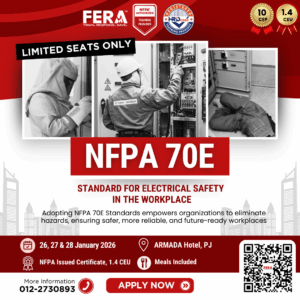
Electrical hazards are silent, fast, and deadly if not properly managed. NFPA 70E sets the global benchmark for protecting workers from electrical risks and ensuring compliance, safety, and operational reliability.
This NFPA Authorized training equips professionals with essential knowledge to identify electrical hazards, apply safe work practices, and reduce the risk of arc flash, shock, and electrical incidents in the workplace.
📅 26, 27 & 28 January 2026
📍 Armada Hotel, Petaling Jaya
✔ NFPA Issued Certificate
✔ 1.4 CEU
✔ HRD Corp Registered Training Provider
✔ Meals Included
Take the next step towards a safer, more resilient, and future-ready workplace.
👉 Register now:
🔗 https://lnkd.in/gc3_rDmN
📞 More information: 012-273 0893
Train. Respond. Save.