

Essential Items Every Workplace First Aid Kit Must Have
Workplace accidents and medical emergencies can occur unexpectedly. Therefore, every organization should maintain a properly stocked first aid kit to ensure a prompt and effective response when an incident occurs.
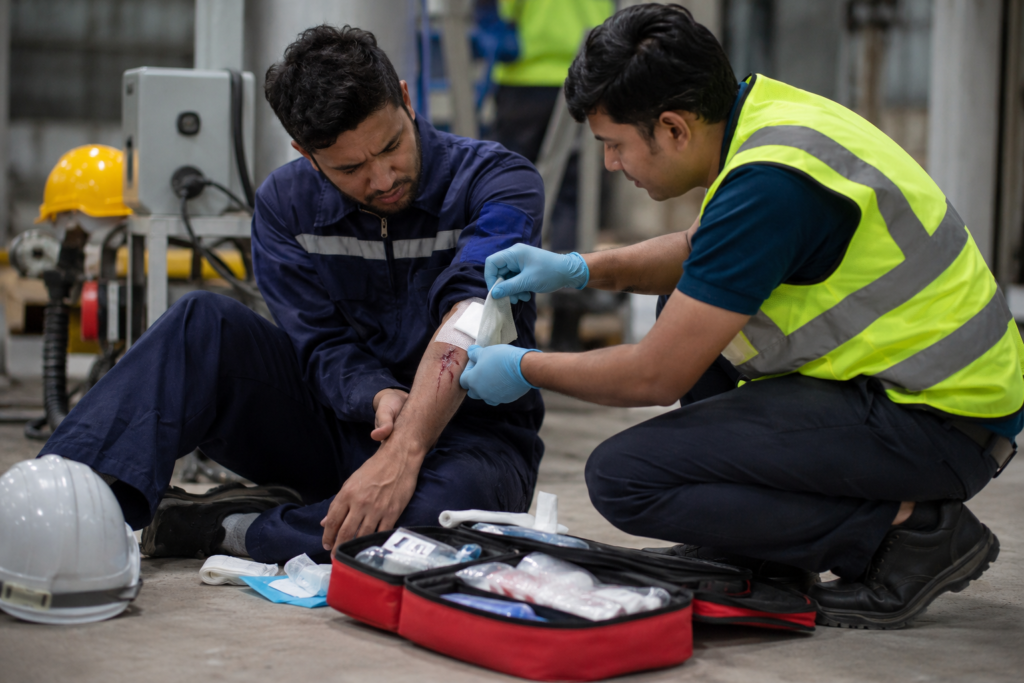
A well-equipped workplace first aid kit enables trained personnel to provide immediate care while waiting for professional medical assistance. In addition, it can help reduce injury severity, prevent complications, and improve overall workplace safety.
In this article, we discuss the essential items that every workplace first aid kit should contain and explain how these supplies support emergency preparedness.
Why Every Workplace Needs a Proper First Aid Kit
A workplace first aid kit serves as the first line of response during medical emergencies. It helps organizations:
- Provide immediate treatment for injuries
- Reduce recovery time and complications
- Meet workplace safety requirements
- Support Emergency Response Team (ERT) operations
- Create a safer working environment
The contents of a first aid kit should be reviewed regularly and adjusted according to workplace hazards, industry requirements, and workforce size.
Essential Items Every Workplace First Aid Kit Must Have
1. Adhesive Bandages (Plasters)
Adhesive bandages are essential for treating:
- Minor cuts
- Scratches
- Small wounds
- Blisters
Different sizes should be available to accommodate various injuries.
Recommended Quantity
- Assorted sizes
- Waterproof options where possible
2. Sterile Gauze Pads
Sterile gauze pads are used to:
- Cover larger wounds
- Absorb blood and fluids
- Protect injuries from contamination
They are especially important for managing bleeding until further medical care is available.
Recommended Sizes
- Small
- Medium
- Large
3. Medical Adhesive Tape
Medical tape secures dressings and bandages in place.
It should be:
- Easy to tear
- Hypoallergenic
- Strong enough to remain secure during movement
4. Triangular Bandages
Triangular bandages are versatile items commonly used for:
- Arm slings
- Immobilizing injured limbs
- Supporting fractures
- Emergency splinting
These are particularly useful in workplaces where slips, trips, and falls may occur.
5. Elastic Compression Bandages
Compression bandages help manage:
- Sprains
- Strains
- Swelling
- Joint support
They are frequently used in manufacturing, construction, warehouse, and industrial environments.
6. Antiseptic Wipes or Solution
Cleaning wounds before dressing them helps reduce the risk of infection.
Antiseptic products can be used to:
- Clean cuts and abrasions
- Remove dirt and contaminants
- Reduce bacterial growth
7. Disposable Gloves
Personal protection is critical when providing first aid.
Disposable gloves help prevent:
- Cross-contamination
- Exposure to bloodborne pathogens
- Spread of infectious diseases
Recommended Type
- Nitrile gloves
- Latex-free options
8. CPR Face Shield or Pocket Mask
A CPR face shield or pocket mask protects both rescuer and casualty during cardiopulmonary resuscitation (CPR).
Benefits include:
- Reduced infection risk
- Safer rescue breathing
- Improved emergency response readiness
This item is highly recommended in all workplaces.
9.Burn Dressings and Burn Gel
Burn injuries can occur in various workplace environments, particularly where employees are exposed to heat, electricity, chemicals, or hot surfaces:
- Manufacturing facilities
- Kitchens
- Laboratories
- Electrical work environments
Burn treatment supplies help:
- Cool the affected area
- Reduce pain
- Protect damaged skin
10. Scissors
Medical scissors are useful for:
- Cutting bandages
- Removing clothing around injuries
- Trimming tape and dressings
Blunt-ended safety scissors are recommended.
11. Tweezers
Tweezers can be used to remove:
- Splinters
- Small debris
- Foreign objects from wounds
Ensure tweezers are kept clean and disinfected.
12. Instant Cold Packs
Cold packs are useful for treating:
- Minor sprains
- Strains
- Bruises
- Swelling
They provide quick relief without requiring refrigeration.
13. Eye Wash Solution
Eye injuries can occur from:
- Dust
- Chemicals
- Metal particles
- Flying debris
Sterile eye wash solution helps flush contaminants and reduce injury severity.
14. Emergency Contact Information
Every first aid kit should contain:
- Emergency telephone numbers
- Nearest hospital details
- Company emergency response procedures
- Internal emergency contacts
Quick access to information can improve emergency response times.
Additional Items for High-Risk Workplaces
Depending on workplace hazards, organizations may also include:
- Automated External Defibrillator (AED)
- Trauma dressings
- Tourniquets
- Emergency blankets
- Splints
- Oxygen resuscitation equipment
- Chemical burn treatment kits
A workplace risk assessment should determine the need for additional emergency supplies.
How Often Should First Aid Kits Be Inspected?
First aid kits should be inspected:
- Monthly
- After every use
- Following workplace incidents
- During safety audits
Check for:
- Expired items
- Missing supplies
- Damaged packaging
- Insufficient stock levels
Regular inspections ensure readiness during emergencies.
Train Employees to Use First Aid Equipment Effectively
Having a fully stocked first aid kit is only part of the solution.
Employees should also receive proper training in:
- Basic First Aid
- CPR
- AED Operation
- Emergency Response Procedures
- Workplace Injury Management
Proper training ensures that first aid supplies are used correctly when emergencies occur.
Conclusion
A workplace first aid kit is a critical safety resource that enables immediate treatment during emergencies. From adhesive bandages and gauze pads to CPR masks and burn dressings, each item plays an important role in protecting employees and minimizing injury severity.
Organizations should regularly inspect their kits, replace expired supplies, and ensure employees receive proper first aid training. A well-prepared workplace is better equipped to respond quickly, effectively, and safely when emergencies happen.
FERA Training Center provides professional workplace safety training including:
Basic Occupational First Aid (BOFA)
CPR & AED Training
Emergency Response Team (ERT) Training
Fire Safety Training
Workplace Emergency Preparedness Programs
Equip your employees with life-saving skills and improve workplace emergency readiness today.
Email: [email protected]
Website: www.fera.com.my
Contact FERA Training Center for upcoming public and in-house training programs.