What Is an AED and How Does It Work?
Every second matters during a sudden cardiac arrest emergency. An Automated External Defibrillator (AED) is a life-saving device designed to help restore a normal heart rhythm before medical professionals arrive. Today, AEDs are commonly found in offices, shopping malls, schools, airports, factories, and public buildings because they can significantly increase survival chances during cardiac emergencies.
Understanding how an AED works is important for everyone, especially workplace emergency response teams, safety personnel, teachers, and the general public.
What Is an AED?
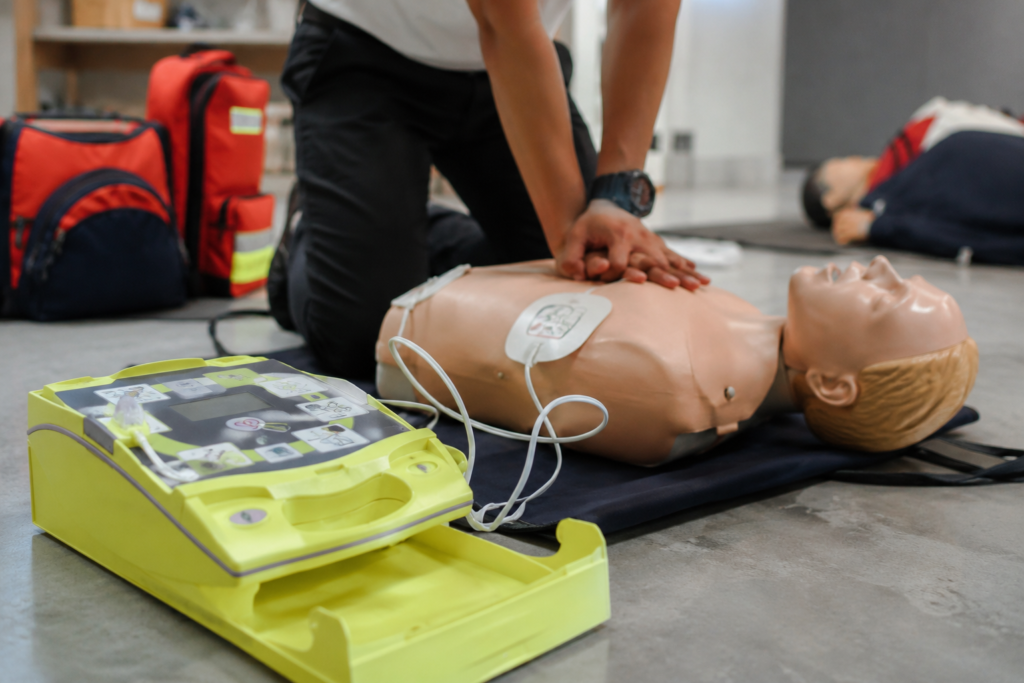
An AED, or Automated External Defibrillator, is a portable medical device used to help people experiencing sudden cardiac arrest (SCA). The device analyzes the heart rhythm and, if necessary, delivers an electric shock to help the heart beat normally again.
AEDs are designed to be simple and user-friendly. Most devices provide voice instructions and visual guidance so even non-medical personnel can use them during emergencies.
What Is Sudden Cardiac Arrest?
Sudden cardiac arrest happens when the heart suddenly stops beating effectively. This prevents blood from reaching the brain and other vital organs.
Common signs include:
Collapse Without Warning
The person suddenly falls unconscious.
No Normal Breathing
Breathing may stop completely or appear abnormal.
No Response
The victim does not respond when spoken to or touched.
Without immediate action, sudden cardiac arrest can become fatal within minutes.
How Does an AED Work?
An AED works by checking the victim’s heart rhythm and determining whether a shock is needed.
Step 1: Turn On the AED
Once switched on, the device gives clear voice instructions.
Step 2: Attach the Electrode Pads
Pads are placed on the victim’s chest according to the diagram shown on the device.
Step 3: Heart Rhythm Analysis
The AED automatically analyzes the heart rhythm.
Step 4: Deliver Shock if Needed
If a dangerous heart rhythm is detected, the AED advises the rescuer to deliver a shock.
Step 5: Continue CPR
After the shock, CPR should continue until emergency responders arrive.
Can Anyone Use an AED?
Yes. Modern AEDs are specifically designed for public use. The devices guide users step-by-step with audio and visual instructions.
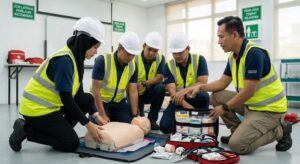
However, proper CPR and AED training can improve confidence and emergency response effectiveness. Many organizations today provide AED awareness and practical hands-on training for employees and emergency teams.
Why Are AEDs Important in Workplaces?
Workplaces can experience medical emergencies at any time. Having an AED nearby can improve emergency preparedness and potentially save lives before ambulance services arrive.
AEDs are especially important in:
- Offices and corporate buildings
- Factories and industrial facilities
- Schools and universities
- Shopping malls
- Hotels and public venues
- Sports facilities
- Data centers and critical infrastructure sites
The Importance of CPR Together with AED
CPR and AED use work together during cardiac emergencies. CPR helps maintain blood circulation while the AED restores normal heart rhythm.
Immediate CPR combined with early AED use greatly increases survival rates.
AED Maintenance and Inspection
AEDs should always remain ready for emergencies.
Regular checks include:
- Battery condition
- Electrode pad expiry date
- Device status indicator
- Storage accessibility
- Monthly inspection records
Organizations should include AED inspections as part of their workplace safety program.
Emergency preparedness starts with knowledge and practical training. Learning how to respond calmly during cardiac emergencies can make a major difference before professional medical help arrives.
Professional AED and CPR training programs help participants understand:
- Emergency response procedures
- Safe AED operation
- CPR techniques
- Victim assessment
- Team coordination during emergencies
Conclusion
An AED is one of the most important emergency devices available today. It is simple to use, highly effective, and capable of helping save lives during sudden cardiac arrest situations.
Whether in workplaces, schools, or public spaces, proper AED awareness and CPR training can help individuals respond quickly and confidently during emergencies.
FERA Training Center provides professional CPR, AED, First Aid, and Emergency Response training programs for workplaces, schools, and organizations across Malaysia.
📞 WhatsApp: +60 12-273 0893
🌐 Visit: FERA Official Website