
Introduction
Workplace safety is no longer optional. In Malaysia, companies must ensure employees are properly trained to handle risks, emergencies and hazards.
One of the most effective ways to achieve this is through a safety course in Malaysia. These courses help individuals and organisations improve safety awareness, reduce workplace accidents and comply with regulations.
In this guide, you will learn everything about safety courses in Malaysia, including types, benefits, certification and how to choose the right training provider.
What is a Safety Course?
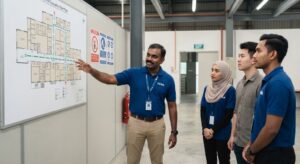
A safety course is a structured training programme designed to educate individuals on workplace safety practices, risk management and emergency response.
These courses are commonly used in industries such as:
- Construction
- Manufacturing
- Oil and gas
- Healthcare
- Commercial buildings
The main goal is to ensure employees understand how to prevent accidents and respond effectively in emergencies.
Types of Safety Courses in Malaysia
There are many types of safety courses available depending on industry needs.
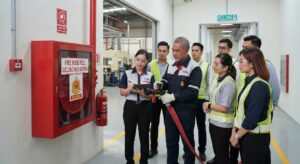
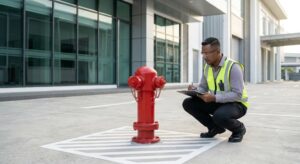
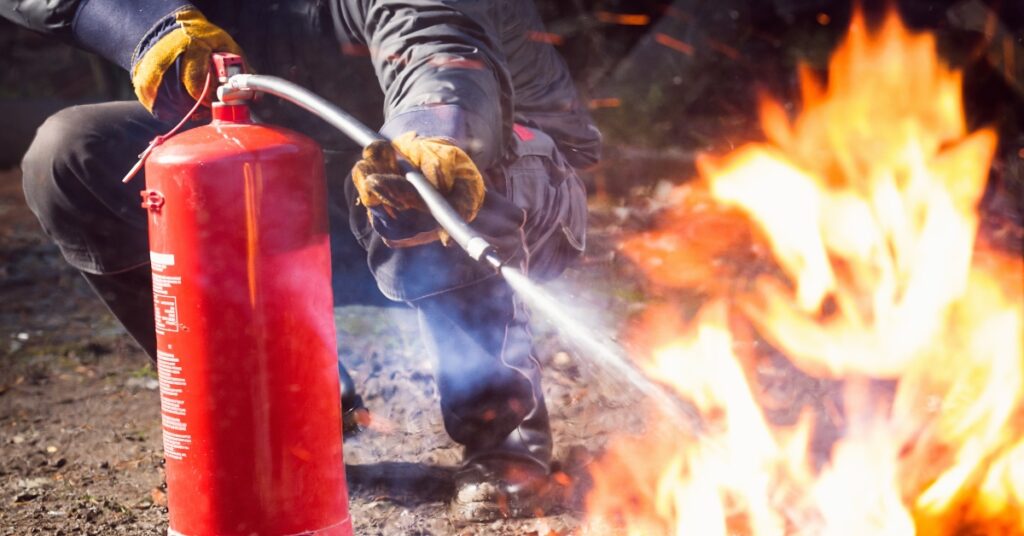
1. Fire Safety Training
Fire safety courses teach participants how to:
- Prevent fire hazards
- Use fire extinguishers
- Perform evacuation procedures
- Respond during fire emergencies
2. HIRARC / HIRADC Training
This course focuses on:
- Hazard Identification
- Risk Assessment
- Risk Control
It is widely used in workplaces to improve safety management.
3. First Aid, CPR & AED Training
Participants learn how to:
- Provide first aid
- Perform CPR
- Use AED devices
These skills can save lives during emergencies.
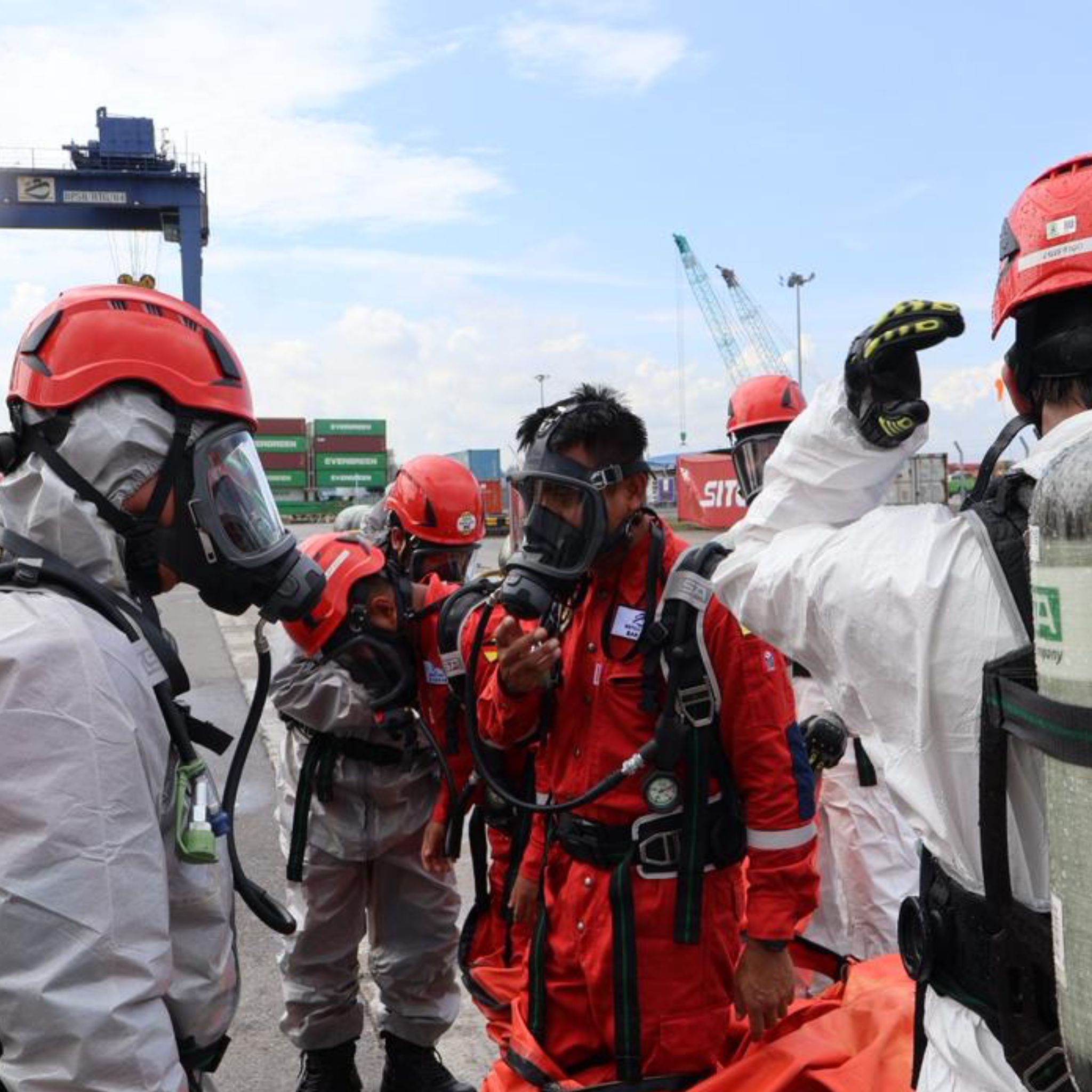
4. HAZMAT Training
Hazardous material training covers:
- Handling dangerous substances
- Emergency response procedures
- Safety compliance
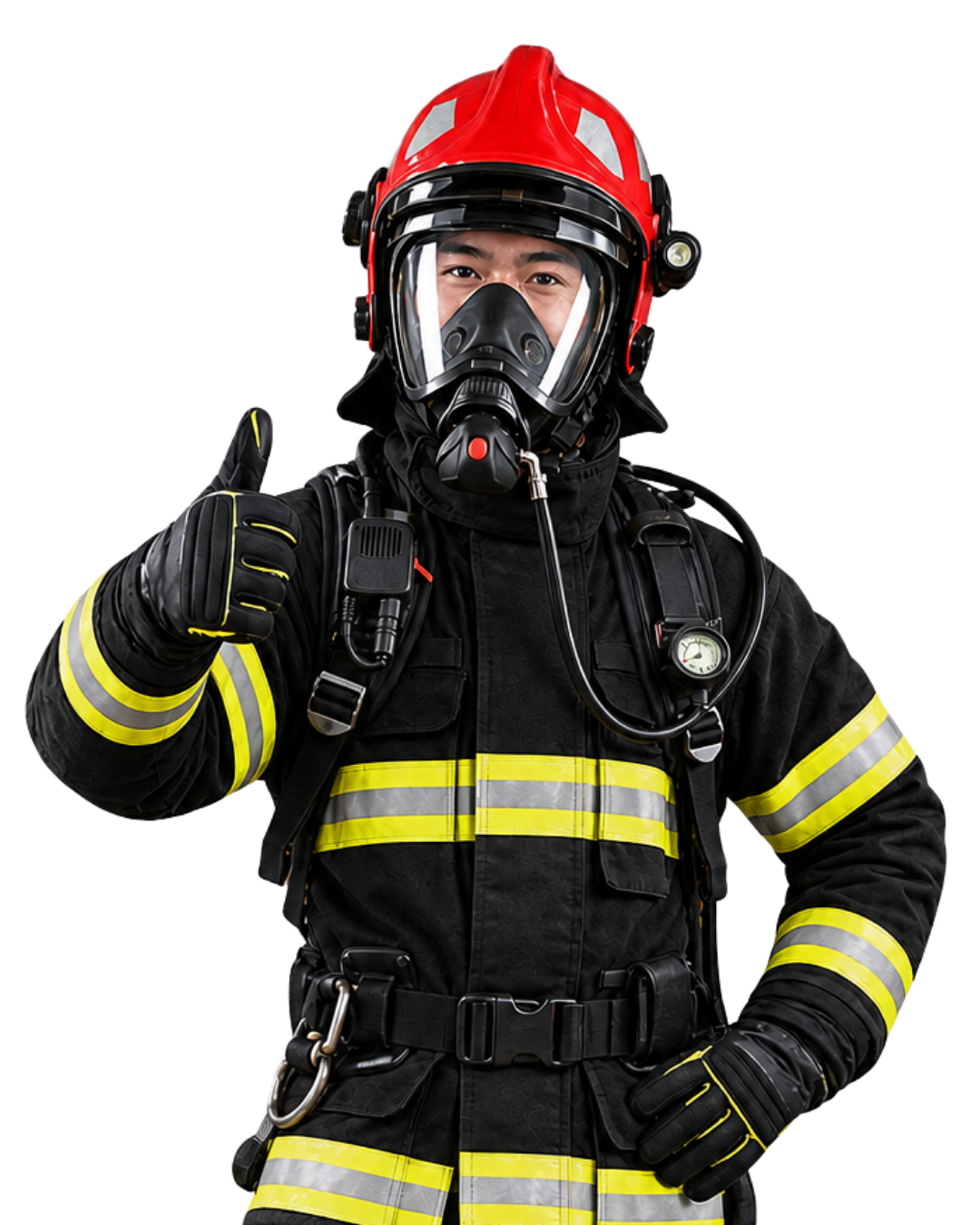
5. NFPA Certification Courses
These courses follow international standards and include:
- Firefighter training
- Fire officer certification
- Fire inspector courses
Ideal for professionals in fire safety and emergency services.
Why Safety Courses Are Important
Taking a safety course in Malaysia provides several key benefits.
1. Reduce Workplace Accidents
Trained employees are less likely to make dangerous mistakes.
2. Ensure Legal Compliance
Companies must comply with regulations such as OSHA and BOMBA requirements.
3. Improve Emergency Response
Employees can act quickly and correctly during incidents.
4. Protect Lives and Property
Proper training reduces injuries and damage.
5. Build a Safety Culture
Employees become more aware and responsible.
Who Should Attend Safety Courses?
Safety courses are suitable for:
- Employees and workers
- Safety officers
- Supervisors and managers
- Facility managers
- Business owners
Any organisation that values safety should invest in training.
Safety Course Requirements in Malaysia
In Malaysia, safety training is often required under:
- Occupational Safety and Health Act (OSHA)
- Fire Services Act
- Industry-specific regulations
Some courses are mandatory depending on the workplace and risk level.
How to Choose the Right Safety Course Provider
Choosing the right training provider is crucial.
1. Certification and Accreditation
Ensure the provider is recognised by relevant authorities.
2. Course Content and Practical Training
Look for hands-on training, not just theory.
3. Industry Experience
Choose providers with proven expertise.
4. Range of Courses
A provider offering multiple courses gives more flexibility.
5. Training Facilities and Equipment
Good facilities improve learning outcomes.
Why Choose FERA for Safety Courses in Malaysia
FERA is a leading provider of safety courses in Malaysia, offering professional training for individuals and organisations.
Key advantages:
- Certified and recognised training programmes
- Experienced trainers with real-world expertise
- Hands-on practical training
- Wide range of safety courses
- Suitable for corporate and industrial needs
FERA helps organisations improve safety standards and compliance.
Common Mistakes to Avoid
Avoid these mistakes when choosing safety training:
- Selecting courses based on price only
- Ignoring certification
- Choosing theory-only training
- Not providing regular refresher training
Proper training investment leads to long-term benefits.
Future of Safety Training in Malaysia
Safety training continues to evolve with new trends:
- Increased focus on ESG and sustainability
- Digital learning and simulations
- Advanced fire and risk modelling
- Stricter compliance requirements
Companies must stay updated to remain compliant and competitive.
Conclusion
A safety course in Malaysia is essential for protecting employees, ensuring compliance and improving workplace safety.
With proper training, organisations can reduce risks, respond effectively to emergencies and build a strong safety culture.
If you are looking for reliable safety training, FERA offers professional courses tailored to your needs.