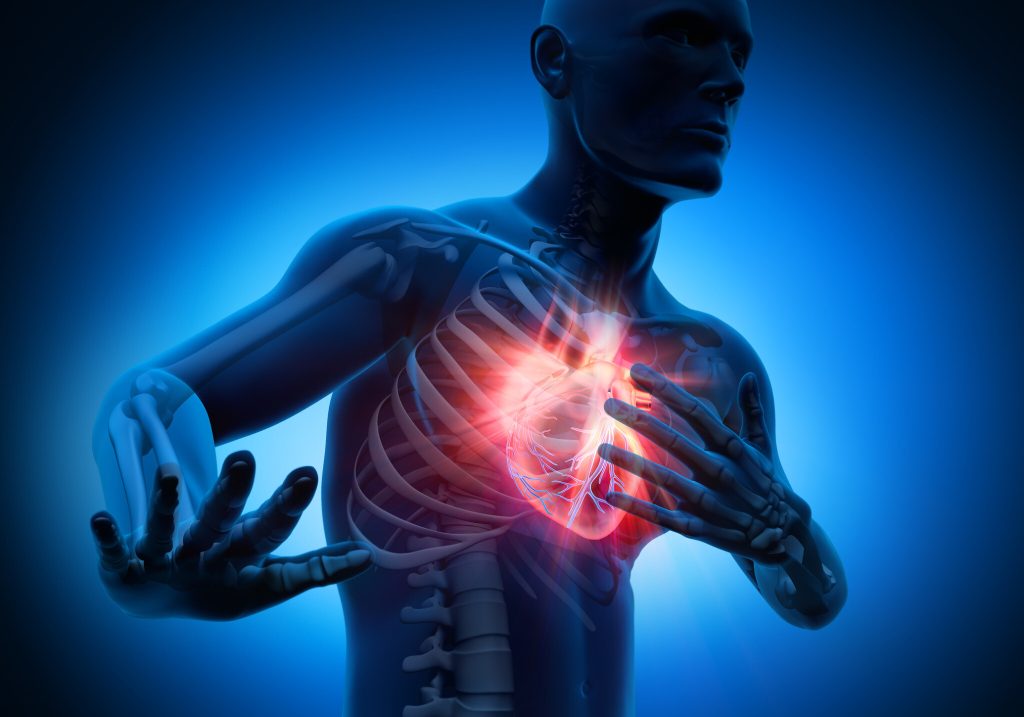
- Definition: A heart attack happens when blood flow to the heart muscle is suddenly blocked, often by a blood clot on plaque.
- Most at Risk: Men 45+, women 55+, and adults 65+ (highest overall risk).
- Higher-Risk Factors: Smoking/vaping, high blood pressure, high cholesterol, diabetes, obesity/inactivity, family history, chronic stress, excess alcohol, stimulant drugs.
- Younger Adults Trend: More cases under 40 linked to sedentary lifestyle, poor diet, high stress, smoking/vaping, and undiagnosed conditions.
- Warning Signs: Chest pressure/pain, pain to arm/neck/jaw/back, shortness of breath, cold sweat, nausea/dizziness, unusual fatigue.
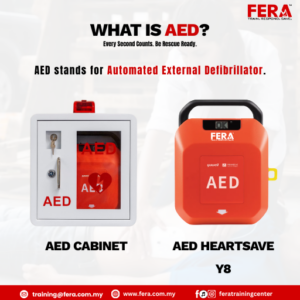
- Immediate Action: Call emergency services, keep the person calm, loosen tight clothing, prepare AED if available, start CPR if breathing stops.
- Prevention: Exercise 150 min/week, balanced low-fat/low-salt meals, quit smoking, maintain healthy weight, manage stress, monitor BP/cholesterol/sugar.
- Key Takeaway: Heart attacks can affect younger adults too—early recognition and fast response improve survival.
What Is a Heart Attack?
A heart attack (myocardial infarction) occurs when blood flow to part of the heart muscle is suddenly blocked. This usually happens when a blood clot forms on fatty deposits (plaque) inside a coronary artery. Without oxygen, heart muscle tissue can become damaged or die.
Who Is Most at Risk?
Age-Related Risk
-
Men: Risk rises after age 45
-
Women: Risk rises after age 55
-
65+ years: Highest overall risk group
⚠️ Note: Heart attacks can still happen to younger people, especially if they have major risk factors.
Higher-Risk Individuals
People with the following conditions or habits are more vulnerable:
-
Smoking or vaping
-
High blood pressure
-
High cholesterol
-
Diabetes
-
Obesity or inactivity
-
Family history of heart disease
-
Chronic stress
-
Excess alcohol intake
-
Drug stimulant use
Younger Adults Risk Trend
Recent health trends show more heart attacks among people under 40, often linked to:
-
Sedentary lifestyle
-
Poor diet
-
High stress
-
Smoking/vaping
-
Undiagnosed medical conditions
Common Causes
The most common cause is coronary artery disease, where arteries narrow due to plaque buildup. This reduces blood flow and increases the chance of clot formation.
Warning Signs & Symptoms
Symptoms may appear suddenly or develop gradually:
-
Chest pain or pressure (tightness, squeezing, heaviness)
-
Pain spreading to arm, neck, jaw, or back
-
Shortness of breath
-
Cold sweat
-
Nausea or dizziness
-
Unusual fatigue
⚠️ Some people, especially women, older adults, and diabetics may experience mild or unusual symptoms instead of strong chest pain.
What To Do During a Heart Attack
Immediate action saves lives:
-
Call emergency services immediately
-
Help the person sit and stay calm
-
Loosen tight clothing
-
Prepare an AED if available and trained
-
If the person collapses and stops breathing, begin CPR
Prevention Tips
Reduce risk with daily habits:
-
Exercise at least 150 minutes per week
-
Eat balanced, low-fat, low-salt meals
-
Quit smoking
-
Maintain healthy weight
-
Manage stress
-
Monitor blood pressure, cholesterol, and blood sugar
Why Awareness Matters
Every minute without treatment increases heart muscle damage. Early recognition + fast response can dramatically improve survival and recovery.
✅ Key Takeaway:
Heart attacks don’t only affect older adults. Anyone with risk factors can be affected. Prevention, early detection, and quick response are the strongest defenses.