Fire Safety Audit Checklist in Malaysia – for Factories & Commercial Buildings
Fire safety is a critical responsibility for organizations operating in factories, offices, shopping malls, and commercial buildings. In Malaysia, building owners and employers must ensure that their premises have effective fire protection systems and comply with national fire safety regulations.
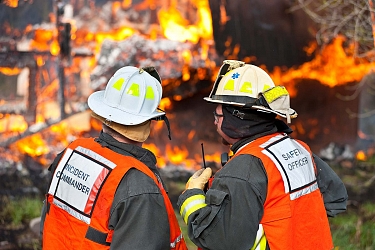
Apart from installing fire protection equipment, organizations are also encouraged—or in some cases required—to establish a Fire Safety Organization (FSO/OKK). This structure usually includes roles such as Fire Safety Manager (FSM), Fire Safety Officer (FSO), Emergency Response Team (ERT), and Fire Wardens.
However, simply having these systems and teams in place is not enough. Organizations must also conduct regular fire safety audits to ensure that all fire protection measures remain effective and compliant with the Fire Services Act 1988 and the guidelines set by the Fire and Rescue Department of Malaysia (JBPM).
This article outlines a practical fire safety audit checklist that can help factories and commercial building managers maintain a safe and compliant workplace.
1. Fire Safety Organization Structure
The first step in a fire safety audit is to review the organization’s fire safety management structure. A clear structure ensures that everyone understands their responsibilities during emergencies.
Key points to review:
-
Appointment of a Fire Safety Manager (FSM) where required
-
Appointment of a Fire Safety Officer (FSO) if applicable
-
Establishment of an Emergency Response Team (ERT)
-
Appointment of Fire Wardens or Floor Wardens
-
Display of the fire safety organizational chart
-
Updated list of emergency response team members
When roles and responsibilities are clearly defined, emergency responses can be coordinated quickly and efficiently.
2. Fire Safety Policies and Procedures
Organizations should have well-documented fire safety policies and procedures to guide employees during emergencies.
During the audit, ensure that the following documents are available and updated:
-
Fire safety policy for the organization
-
Emergency Response Plan
-
Building evacuation procedures
-
Fire incident reporting procedures
-
Procedures for handling flammable or hazardous materials
These documents should be reviewed regularly to ensure they remain relevant to the organization’s operations and risks.
3. Fire Safety Training
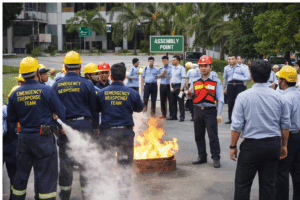
Training is one of the most important elements of workplace fire safety. Employees must know how to respond during emergencies.
The audit should verify that the organization conducts regular training such as:
-
Basic Fire Fighting training
-
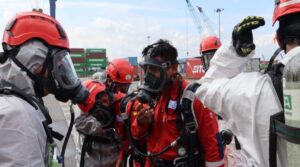
Emergency Response Team (ERT) training
-
Fire extinguisher usage training
-
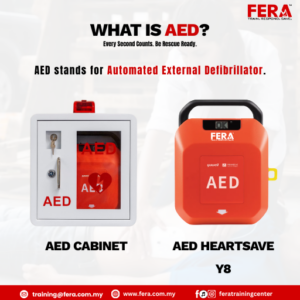
First Aid, CPR, and AED training
-
Properly maintained training records
Regular training improves employee confidence, awareness, and emergency response capability.
4. Inspection of Fire Protection Systems
Fire protection systems must be inspected and maintained regularly to ensure they function properly during emergencies.
Important items to check include:
-
Fire extinguishers are in good condition and within service date
-
Fire alarm systems are operational
-
Sprinkler systems are properly maintained
-
Hose reels and hydrants are functional
-
Emergency lighting systems are working
-
Exit signs are clearly visible and illuminated
Regular inspections help ensure that all fire safety equipment is ready when it is needed most.
5. Emergency Exit Routes and Evacuation Plans
A clear evacuation strategy is essential for safe evacuation during a fire emergency.
During the audit, verify that:
-
Emergency exit plans are clearly displayed
-
Exit routes are free from obstruction
-
Emergency doors can be opened easily
-
Assembly points are clearly designated
-
Fire drills are conducted regularly
Fire drills allow employees to practice evacuation procedures and respond more effectively during real emergencies.
6. Fire Safety Records and Documentation
Documentation is an important part of fire safety compliance and audit readiness.
Organizations should maintain records such as:
-
Fire protection system maintenance records
-
Fire safety training records
-
Fire safety inspection reports
-
Fire safety audit reports
-
Records of fire incidents or near-miss cases
Proper documentation helps demonstrate that the organization actively manages fire safety and complies with regulatory requirements.
Why Fire Safety Audits Are Important
Regular fire safety audits provide several important benefits:
-
Ensure compliance with fire safety regulations
-
Identify potential fire hazards early
-
Protect employees, occupants, and visitors
-
Reduce potential property damage
-
Improve emergency preparedness
By identifying weaknesses early, organizations can prevent small issues from becoming major safety risks.
Conclusion
Conducting regular fire safety audits is essential for maintaining safe working environments in factories and commercial buildings in Malaysia.
By using a structured fire safety audit checklist, organizations can improve compliance, strengthen emergency preparedness, and protect both lives and property from fire hazards.
Fire safety is not only about meeting legal requirements—it is also about creating a workplace where everyone can feel safe and prepared for emergencies.
For more information about Fire Safety Manager (FSM), Fire Safety Officer (FSO), Emergency Response Team (ERT), and fire safety training, please visit:
🌐 https://fera.com.my
📞 https://wa.me/60122730893
✉️ [email protected]