
10 Essential First Aid Skills Everyone Should Know
Accidents and medical emergencies can happen anywhere — at home, in the workplace, on the road, or in public spaces. In many situations, the first person who helps the victim is not a doctor, but someone nearby who knows basic first aid.
Therefore, understanding essential first aid skills can make a significant difference during emergencies. Quick and correct actions can stabilize the victim, prevent complications, and sometimes even save lives before professional medical assistance arrives.
This article highlights 10 essential first aid skills everyone should know to respond effectively during emergencies.
Why First Aid Skills Are Important
First aid skills allow individuals to provide immediate assistance when someone is injured or suddenly becomes ill. Without proper knowledge, bystanders may hesitate to act or respond incorrectly during emergencies.
However, individuals trained in first aid are more confident and capable of handling emergency situations.
Learning first aid skills can help:
-
save lives during critical incidents
-
reduce the severity of injuries
-
improve recovery outcomes
-
strengthen workplace and community safety
As a result, many organizations encourage employees to attend professional first aid training programs.
10 Essential First Aid Skills Everyone Should Know
Below are some of the most important first aid skills that everyone should learn.
-
Cardiopulmonary Resuscitation (CPR)
CPR is one of the most important life-saving skills. It is used when a person’s heart stops beating during sudden cardiac arrest.
By performing chest compressions, CPR helps circulate blood and oxygen to vital organs until medical professionals arrive.
-
Using an Automated External Defibrillator (AED)
An AED is a portable device used to treat sudden cardiac arrest. The device analyzes the heart rhythm and delivers an electric shock if needed.
When CPR is combined with AED use, the victim’s chances of survival increase significantly.
-
Controlling Severe Bleeding
Severe bleeding can become life-threatening within minutes. Therefore, knowing how to control bleeding is an essential first aid skill.
Common techniques include:
-
applying direct pressure
-
using bandages or cloth
-
elevating the injured area when appropriate
Quick bleeding control can prevent excessive blood loss.
-
Helping a Choking Victim
Choking occurs when an object blocks the airway. If the airway remains blocked, the victim may lose consciousness within minutes.
The Heimlich maneuver (abdominal thrusts) is commonly used to clear airway obstruction and restore breathing.
-
Treating Burns
Burn injuries can occur due to heat, electricity, chemicals, or hot liquids.
First aid treatment for burns often includes:
-
cooling the burn with clean running water
-
removing tight objects or clothing near the burn
-
covering the wound with sterile dressing
Proper burn care helps reduce tissue damage.
-
Managing Fractures and Sprains
Falls, accidents, or workplace incidents may result in fractures or sprains.
First aid responders should:
-
immobilize the injured limb
-
prevent unnecessary movement
-
apply cold packs to reduce swelling
These actions help minimize further injury.
-
Treating Shock
Shock occurs when the body does not receive enough blood flow to vital organs.
Symptoms may include:
-
pale or cold skin
-
rapid breathing
-
dizziness or confusion
First aid for shock includes keeping the victim lying down, elevating the legs if appropriate, and ensuring the person stays warm.
-
Managing Electrical Injuries
Electrical shocks can cause serious internal injuries even if external burns appear minor.
When responding to electrical incidents:
-
ensure the power source is turned off
-
avoid direct contact with the victim until it is safe
-
seek immediate medical assistance
Safety must always be the first priority.
-
Responding to Sudden Illness
Medical emergencies such as heart attacks, strokes, or seizures require immediate attention.
Recognizing warning signs early allows responders to activate emergency services quickly and provide appropriate assistance.
-
Basic Wound Care
Cuts, abrasions, and minor injuries are common in workplaces and daily activities.
Proper wound care includes:
-
cleaning the wound
-
applying antiseptic
-
covering the injury with a sterile dressing
Simple treatment helps prevent infection and promotes healing.
Why First Aid Training Is Important
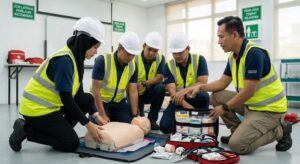
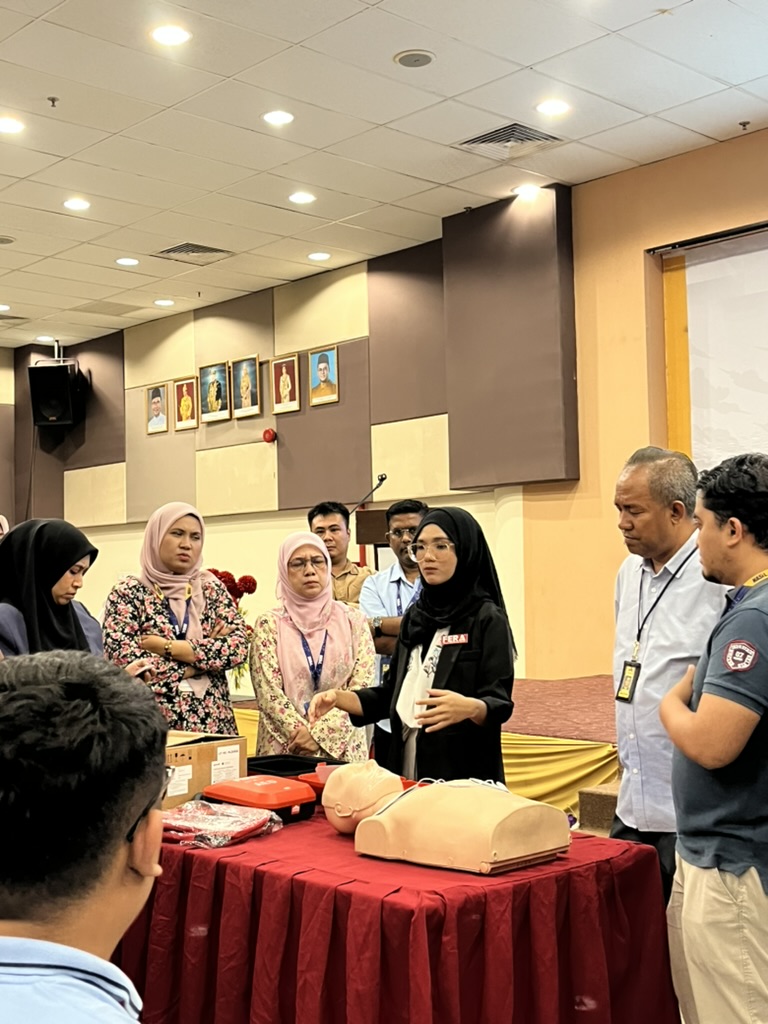
Although reading about first aid skills is helpful, practical training is essential for building confidence and competence.
Through professional training programs, participants learn how to respond correctly during real emergencies. In addition, hands-on practice ensures that individuals understand the proper techniques for CPR, AED usage, and emergency response.
As a result, trained individuals are better prepared to protect colleagues, family members, and members of the public during emergencies.
Learn Essential First Aid Skills with Professional Training
If you want to develop life-saving skills, consider attending professional first aid training.
The Basic Occupational First Aid, CPR & AED Training provides participants with the knowledge and practical skills required to respond effectively during workplace and public emergencies.
Learn more about first aid and emergency response:
➡ Basic Occupational First Aid, CPR & AED Training
https://fera.com.my/basic-occupational-first-aid-cpr-aed/
➡ What is First Aid and Why It Is Important in the Workplace
https://fera.com.my/what-is-first-aid-and-why-it-is-important-in-the-workplace/
➡ What is AED and How It Works
https://fera.com.my/what-is-aed/
Get Trained in Life-Saving First Aid Skills
Emergencies can happen anytime, anywhere. Knowing how to respond can make the difference between life and death.
Join the Basic Occupational First Aid, CPR & AED Training by FERA Training Center and gain practical skills that help protect your workplace and community.
📞 Register or enquire today:
https://wa.me/60122730893
Train. Respond. Save.