
Introduction
Workplace safety is becoming increasingly important in Malaysia, especially in industries such as construction, manufacturing, oil & gas, and logistics. Therefore, enrolling in a safety course in Malaysia is essential for individuals and organisations that want to reduce risks and comply with safety regulations.
In this guide, you will learn about the types of safety courses available, their benefits, and how to choose the right training for your needs.
What is a Safety Course?
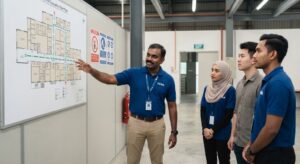
A safety course is a structured training programme designed to educate individuals on workplace safety practices, hazard awareness, and emergency response procedures.
These courses aim to:
- Prevent workplace accidents
- Improve safety awareness
- Ensure compliance with regulations
- Prepare individuals for emergencies
In addition, safety courses help organisations build a strong safety culture.
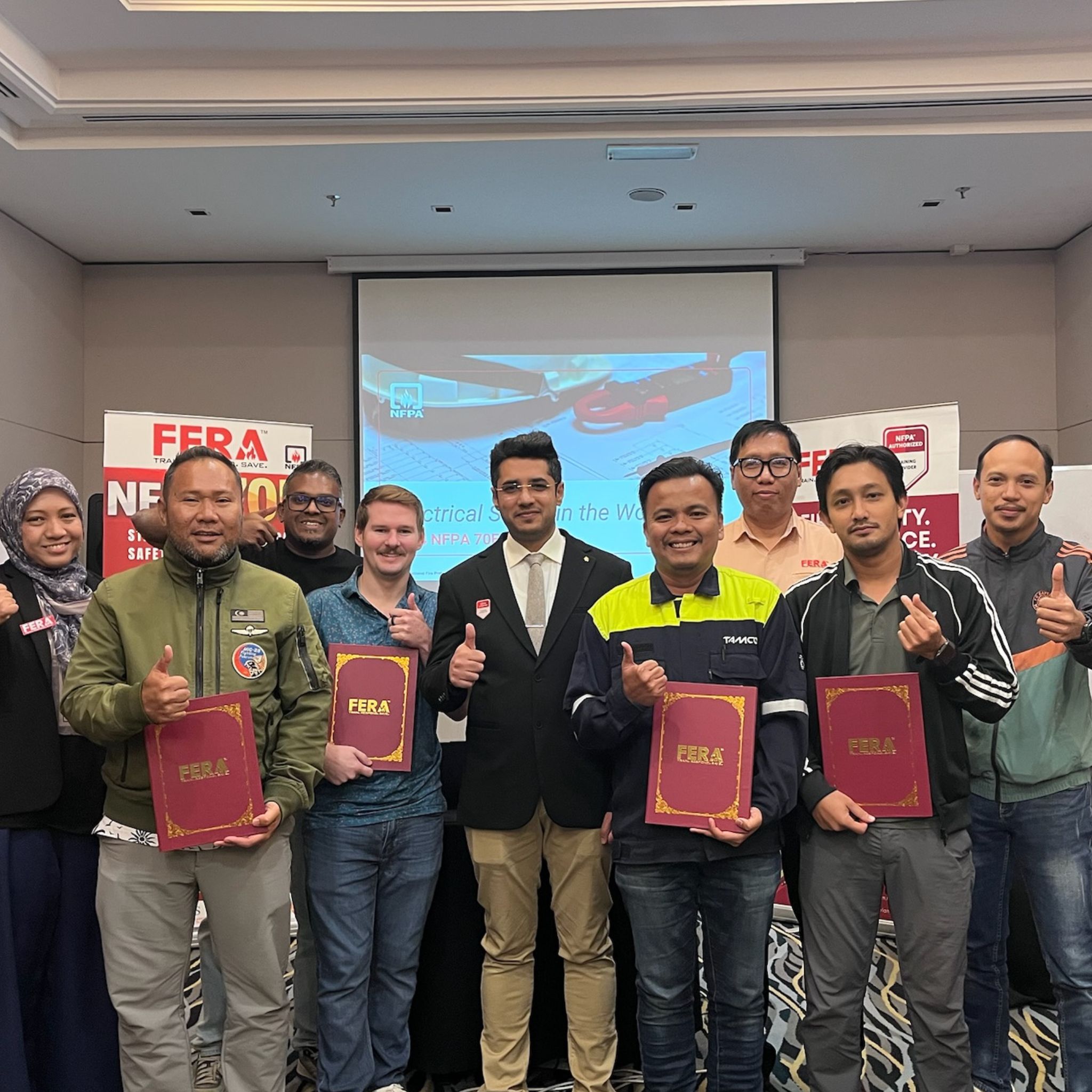
Why Safety Courses Are Important in Malaysia
Safety training is not just a requirement but a necessity.
1. Compliance with Regulations
Many industries in Malaysia require safety training to comply with regulations and standards.
2. Reduce Workplace Accidents
Proper training helps employees identify hazards and take preventive measures.
3. Improve Emergency Response
Employees are better prepared to respond to fire, accidents, or hazardous situations.
4. Enhance Company Reputation
Companies that prioritise safety are more trusted by clients and authorities.
===============
Types of Safety Courses in Malaysia
There are various safety courses available depending on industry needs.
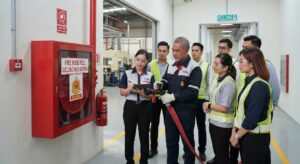
1. Fire Safety Training
Covers fire prevention, fire fighting techniques, and evacuation procedures.
- Fire extinguisher training
- Fire drill management
- Emergency evacuation
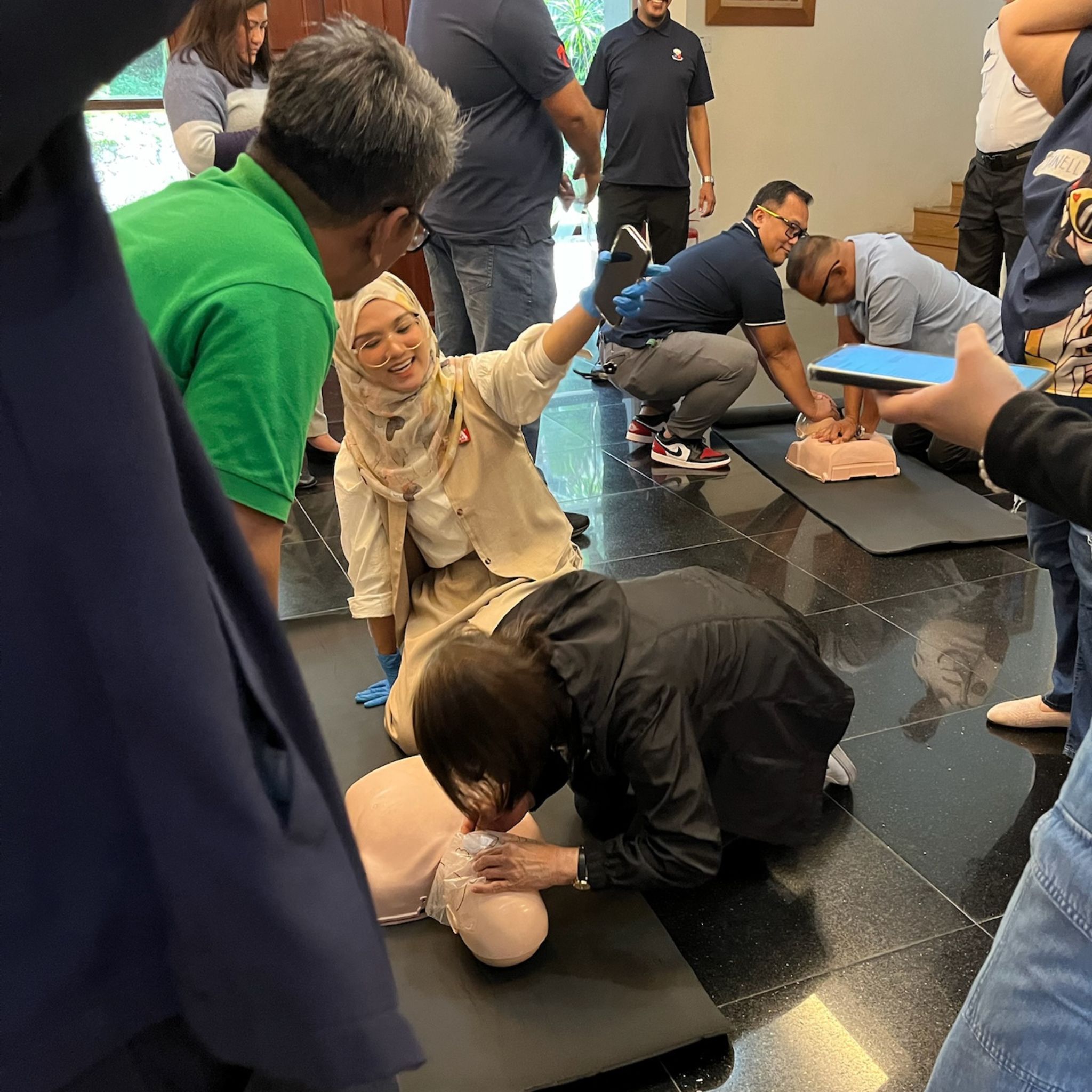
2. First Aid & CPR Training
Focuses on life-saving skills during emergencies.
- CPR training
- Basic life support
- Emergency medical response
3. Occupational Safety & Health (OSH) Courses
Focuses on workplace safety and compliance.
- Risk assessment
- Safety management systems
- Workplace hazard control
4. Hazardous Materials (Hazmat) Training
Deals with handling dangerous materials.
- Chemical safety
- Spill response
- Hazard identification
5. Emergency Response Training
Prepares teams for crisis situations.
- Incident response
- Rescue operations
- Crisis management
======================
How to Choose the Right Safety Course
Selecting the right course is important for effectiveness.
1. Identify Your Industry Needs
Different industries require different types of safety training.
2. Check Course Accreditation
Ensure the training meets recognised standards and guidelines.
3. Evaluate Training Provider
Choose a provider with experience and proven track record.
4. Consider Practical Training
Hands-on training is more effective than theory alone.
Therefore, choosing the right course improves both safety and compliance.
==================
Benefits of Safety Courses
Safety courses provide long-term value.
For Individuals
- Improve safety awareness
- Enhance career opportunities
- Build confidence in emergencies
For Organisations
- Reduce accidents and downtime
- Improve compliance with regulations
- Strengthen safety culture
As a result, businesses can operate more efficiently and safely.
===================
Safety Training and Compliance in Malaysia
In Malaysia, safety training is closely linked to compliance.
Organisations must ensure:
- Employees are trained
- Safety procedures are followed
- Emergency plans are in place
Failure to comply may result in penalties or operational issues.
========================
Safety Courses by FERA
FERA provides comprehensive safety courses in Malaysia designed for individuals and organisations.
Key offerings:
- Fire safety training
- Emergency response training
- First aid and rescue training
- Compliance and safety management courses
Why choose FERA:
- Experienced trainers
- Practical, hands-on training
- Compliance-focused programmes
- Industry-relevant modules
With FERA, organisations can improve safety readiness and meet compliance requirements.
Conclusion
A safety course in Malaysia is essential for improving workplace safety, reducing risks, and ensuring compliance with regulations.
Overall, investing in safety training helps protect lives, improve operations, and create a safer working environment.
===============
Looking for professional safety courses in Malaysia?
Contact FERA today for training, consultation, and compliance support.
============
FAQ
1. What is a safety course?
A safety course is training that teaches individuals how to prevent accidents and respond to emergencies.
2. Are safety courses mandatory in Malaysia?
Some industries require safety training to comply with regulations.
3. What types of safety courses are available?
Fire safety, first aid, OSH, hazmat, and emergency response training.
4. Who should attend safety courses?
Employees, managers, and organisations in high-risk industries.
5. How long do safety courses take?
Duration varies from a few hours to several days depending on the course.
6. Does FERA provide safety training?
Yes, FERA offers a wide range of safety courses and training programmes.