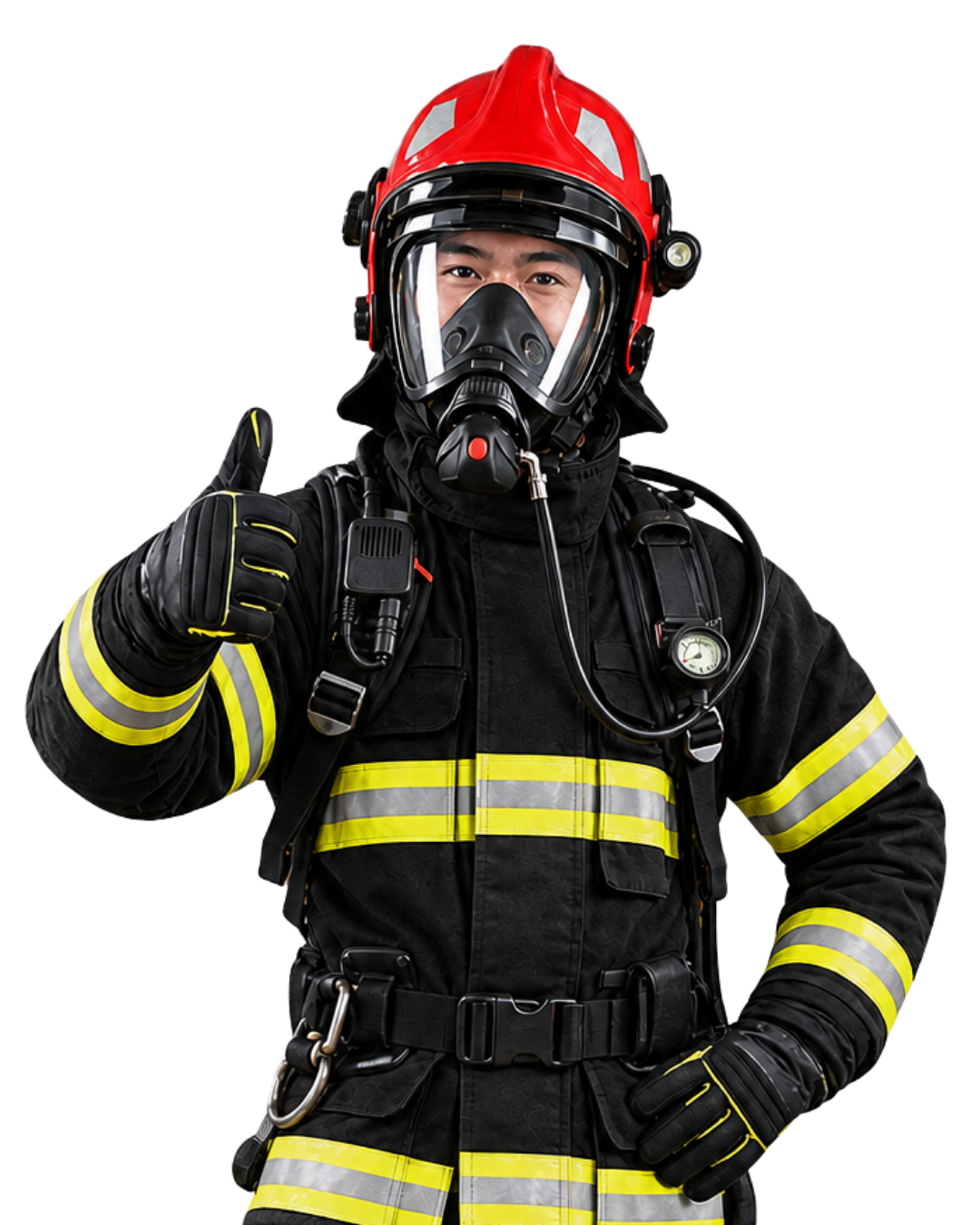



NFPA 70E Training
"Electrical Safety in the Workplace"
Establish robust electrical risk assessment workflows, verify safe approach boundaries, and choose the correct PPE classes to align with the globally recognized standard for industrial electrical safety.
Is This Program Right for Your Team?
Designed specifically for engineers, industrial electricians, facilities maintenance workers, and safety officers handling live high-voltage machinery or distribution lines.
NFPA 70E Compliance Certification
Gain the practical competency required to set up an electrically safe work condition, issue energized work permits, and select rated arc-flash PPE.
HSE & Safety Officers
Licensed Electricians
Electrical Engineers
Facilities Technicians
Maintenance Supervisors
Industrial Plant Managers
Active Electrical Risk Mitigation
NFPA 70E provides a robust safety framework to actively safeguard live-line workers against thermal arc flashes, extreme physical shocks, and fatal electrocution hazards.
Directly aligns plant maintenance processes with OSHA requirements and DOSH electrical regulations to secure corporate safety standards.
Module Specifications
Technical parameters for the 2-Day course.
Syllabus & Training Structure
A simplified breakdown of NFPA 70E: Electrical Safety in the Workplace over 2 days.
-
Overview & Introduction to Electrical Safety & NFPA 70E (Module 1)
-
Electrical Safety Responsibility (Module 2)
-
Electrical Safety Program & Training (Module 3 & 4)
-
Establishing an Electrically Safe Work Condition (Module 5)
-
Energized Work: Risk Assessment (Module 6)
-
Personal Protective Equipment (PPE) (Module 7)
-
Energized Electrical Work Permit (Module 8)
-
Equipment Maintenance Requirements & Special Conditions (Module 9 & 10)
-
Mock Assessment & Review/Revision
-
Final Assessment & Evaluation (Feedback)
Who Should Attend?
Building an electrically safe work environment is a fundamental safety and compliance obligation. This training prepares designated personnel to establish safe workspaces.
Zero Accident Workplaces
Helps organizations fulfill OSHA/DOSH mandates to have formally qualified electrical safety specialists managing plant-level boundaries.
Electrical Engineers
Verify safe approach boundaries, calculate arc-flash hazards, and direct complex high-voltage maintenance processes.
Maintenance Technicians
Gain actionable LOTO safeguards, correct PPE selection ratings, and live troubleshooting diagnostics guidelines.
Safety & HSE Officers
Understand how to draft energized work permits, perform physical electrical audits, and ensure compliance with DOSH regulations.
Frequently Asked Questions
Quick guides regarding registration, prerequisites, and NFPA credentials.
Pioneer Electrical Safety and Zero-Accident Compliant Workspaces
Ensure standard compliance, lower plant insurance liabilities, and equip your live-line maintenance teams with solid safe work conditions.