

What Is a Fire Drill?
A fire drill is a planned emergency evacuation exercise designed to prepare people for a real fire emergency. It helps employees, building occupants, students, and visitors understand the correct evacuation procedures during a fire incident.
Fire drills are an essential part of workplace fire safety because they improve emergency response, reduce panic, and ensure everyone knows how to evacuate safely. In many industries and commercial buildings, conducting regular fire drills is also part of fire safety compliance requirements.
Today, fire drills are commonly carried out in offices, factories, warehouses, schools, shopping malls, hotels, and industrial facilities across Malaysia.
Why Is a Fire Drill Important?
Many people underestimate the importance of fire drills until an emergency happens. However, a proper fire drill can save lives and reduce injuries during real fire incidents.
Some key benefits of conducting fire drills include:
- Improves emergency preparedness
- Reduces panic during evacuation
- Helps employees understand evacuation routes
- Tests emergency response systems
- Improves workplace safety awareness
- Supports compliance with fire safety regulations
In addition, fire drills help organizations identify weaknesses in their emergency procedures before actual emergencies occur.
Objectives of a Fire Drill
The main purpose of a fire drill is to ensure everyone can respond quickly and safely during a fire emergency.
Common fire drill objectives include:
- Practicing safe evacuation procedures
- Testing fire alarm systems
- Evaluating emergency response teams
- Checking assembly point effectiveness
- Ensuring employees understand safety protocols
- Reducing evacuation time
Moreover, fire drills help companies improve coordination between staff, safety officers, and emergency response teams.
Types of Fire Drills
Different organizations may conduct different types of fire drills depending on their operational risks and building structure.
1. Full Evacuation Fire Drill
This is the most common type of fire drill where all occupants evacuate the building completely.
It is commonly used in:
- Offices
- Shopping malls
- Schools
- Factories
2. Partial Fire Drill
A partial fire drill only involves selected departments or floors within a building.
This method is useful for:
- Large commercial buildings
- Hospitals
- Data centers
3. Announced Fire Drill
An announced fire drill is scheduled and communicated to employees beforehand.
Advantages:
- Reduces confusion
- Suitable for training purposes
- Easier coordination
4. Unannounced Fire Drill
An unannounced fire drill is conducted without prior notice.
Advantages:
- Tests actual emergency readiness
- Measures real reaction time
- Evaluates natural employee response
However, organizations must ensure safety measures are properly controlled during the exercise.
Fire Drill Procedures
A proper fire drill should follow organized procedures to ensure effectiveness and safety.
Step 1: Activate the Fire Alarm
The fire alarm system is activated to simulate an emergency situation.
Step 2: Stop All Activities
Employees and occupants should stop all ongoing work immediately.
Step 3: Evacuate the Building
Everyone must follow designated evacuation routes and proceed calmly to the assembly point.
During evacuation:
- Do not use elevators
- Do not run
- Assist disabled individuals if necessary
Step 4: Gather at the Assembly Point
Occupants should gather at the designated safe area outside the building.
The emergency team will then conduct attendance checks.
Step 5: Evaluate the Fire Drill
After the exercise, safety officers review the evacuation performance and identify areas for improvement.
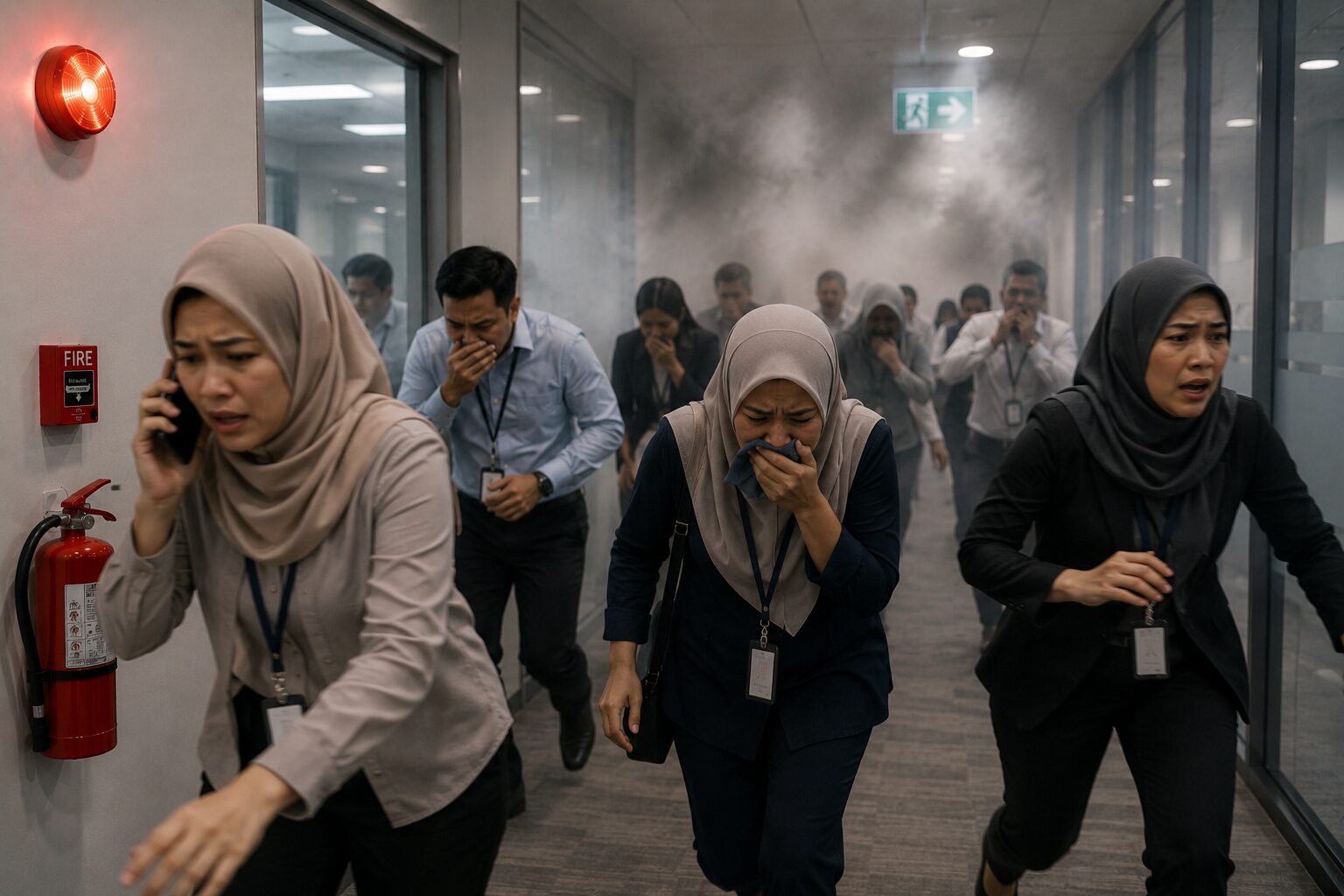
Common Mistakes During Fire Drills
Many organizations conduct fire drills regularly, but several common mistakes still occur.
Ignoring the Alarm
Some employees assume the alarm is only a test and delay evacuation.
Using Elevators
Elevators should never be used during fire emergencies because they may stop functioning.
Blocking Evacuation Routes
Emergency exits must always remain clear and accessible.
Lack of Employee Awareness
Without proper training, employees may panic or fail to follow procedures correctly.
Therefore, regular fire safety training is extremely important.
Who Should Participate in Fire Drills?
Every building occupant should participate in fire drills, including:
- Employees
- Visitors
- Contractors
- Students
- Security personnel
- Emergency response teams
Additionally, management teams should actively monitor evacuation performance and emergency coordination.
Fire Drill Frequency
The frequency of fire drills depends on building type, company policy, and fire safety requirements.
Generally:
- Offices: at least once or twice yearly
- Factories and industrial sites: more frequent drills
- High-risk facilities: regular emergency exercises
Conducting fire drills consistently helps maintain emergency preparedness throughout the organization.
Fire Drill and Workplace Safety Compliance
In Malaysia, fire drills are important for workplace safety compliance and may support requirements from:
- Fire and Rescue Department Malaysia (JBPM)
- DOSH regulations
- Occupational safety policies
- Building safety requirements
Regular fire drills demonstrate that organizations are taking proactive steps to improve workplace safety.
The Role of Fire Safety Training
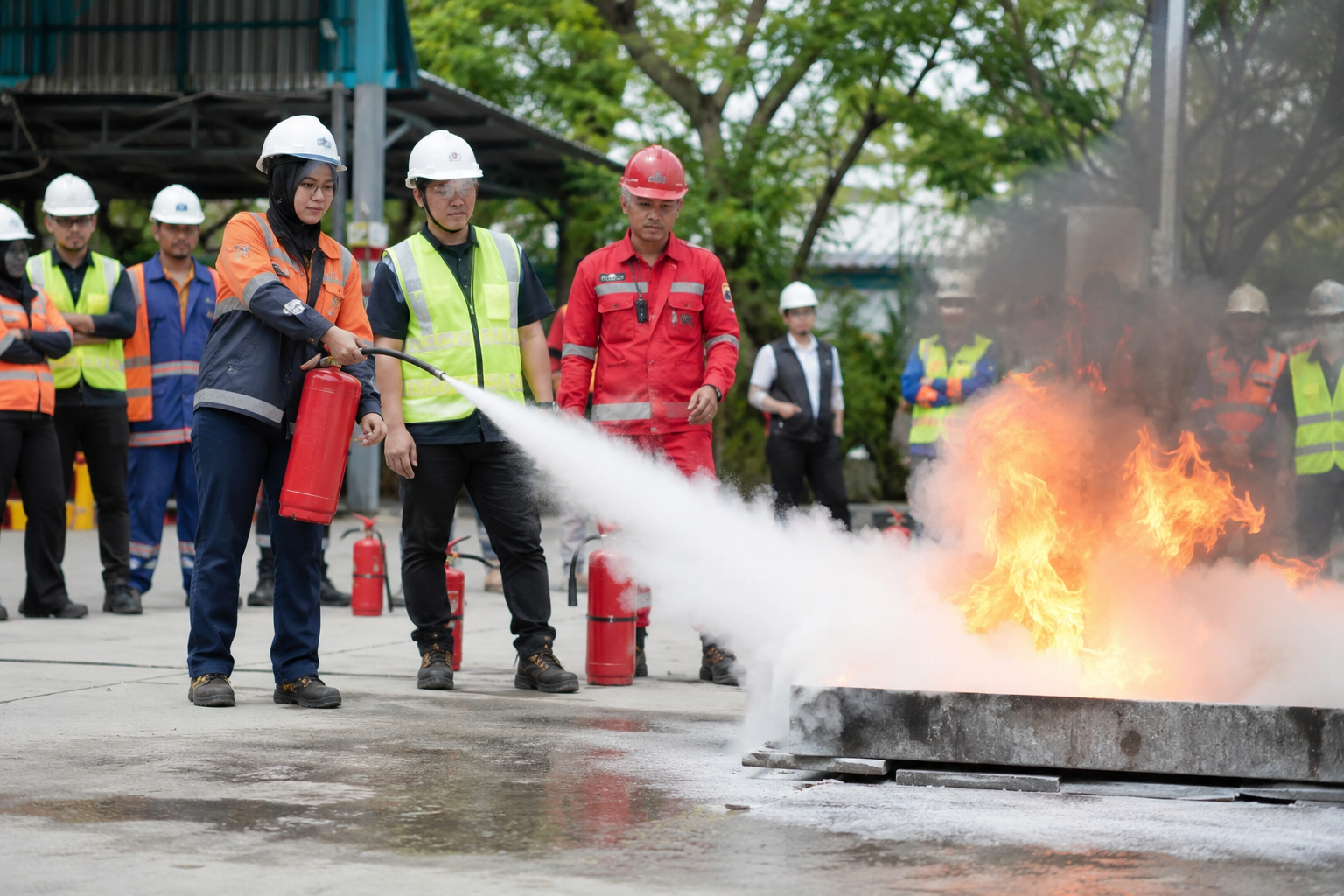
Fire drills are more effective when combined with proper fire safety training.
Training programs may include:
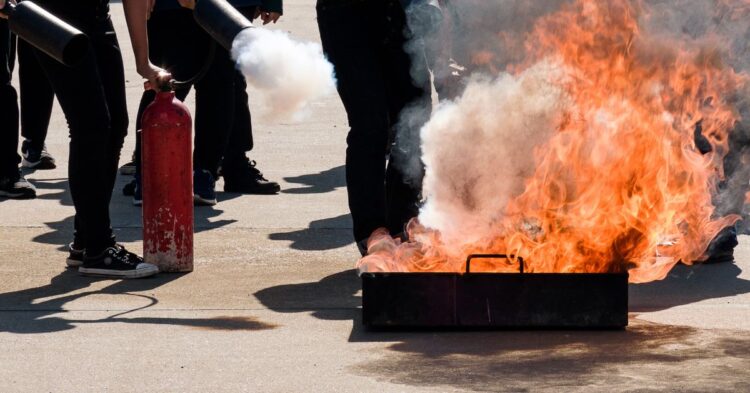
- Fire extinguisher usage
- Emergency evacuation procedures
- Fire prevention awareness
- CPR and first aid
- Emergency communication procedures
Furthermore, trained employees are more likely to respond calmly and correctly during emergencies.
Fire Drill Checklist
Before conducting a fire drill, organizations should prepare several important items.
Fire Drill Preparation Checklist
- Check fire alarm systems
- Ensure emergency exits are accessible
- Prepare assembly points
- Inform emergency response teams
- Test communication systems
- Review evacuation routes
- Assign fire wardens
A proper checklist helps improve the overall effectiveness of the exercise.
Benefits of Professional Fire Drill Training
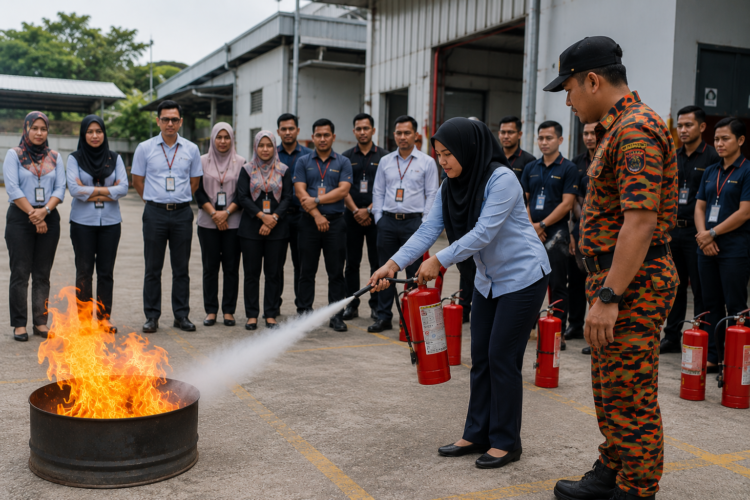
Professional fire drill training providers can help organizations conduct safer and more organized emergency exercises.
Benefits include:
- Professional evacuation guidance
- Compliance support
- Emergency response evaluation
- Safety awareness improvement
- Reduced workplace risks
Additionally, professional training providers can customize fire drill programs based on industry requirements and building risks.
Conclusion
A fire drill is one of the most important workplace safety activities for improving emergency preparedness and reducing fire-related risks. It helps employees understand evacuation procedures, improves emergency coordination, and supports fire safety compliance.
However, fire drills should not be treated as simple routine exercises. Organizations should conduct them regularly, review performance carefully, and provide proper fire safety training to all occupants.
By implementing effective fire drills, companies can create a safer working environment and improve overall emergency readiness.
Frequently Asked Questions (FAQ)
What is the purpose of a fire drill?
The purpose of a fire drill is to prepare people for safe evacuation during a fire emergency.
How often should fire drills be conducted?
Most organizations conduct fire drills at least once or twice a year depending on safety requirements.
Are fire drills mandatory in workplaces?
Many workplaces and commercial buildings are encouraged or required to conduct regular fire drills for safety compliance.
What should employees do during a fire drill?
Employees should stop work immediately, follow evacuation routes, and proceed calmly to the assembly point.
Why are fire drills important?
Fire drills improve emergency preparedness, reduce panic, and help protect lives during emergencies.
Can elevators be used during a fire drill?
No. Elevators should never be used during fire emergencies or evacuation exercises.
Who manages a fire drill?
Fire drills are usually coordinated by safety officers, fire wardens, or professional fire safety training providers.