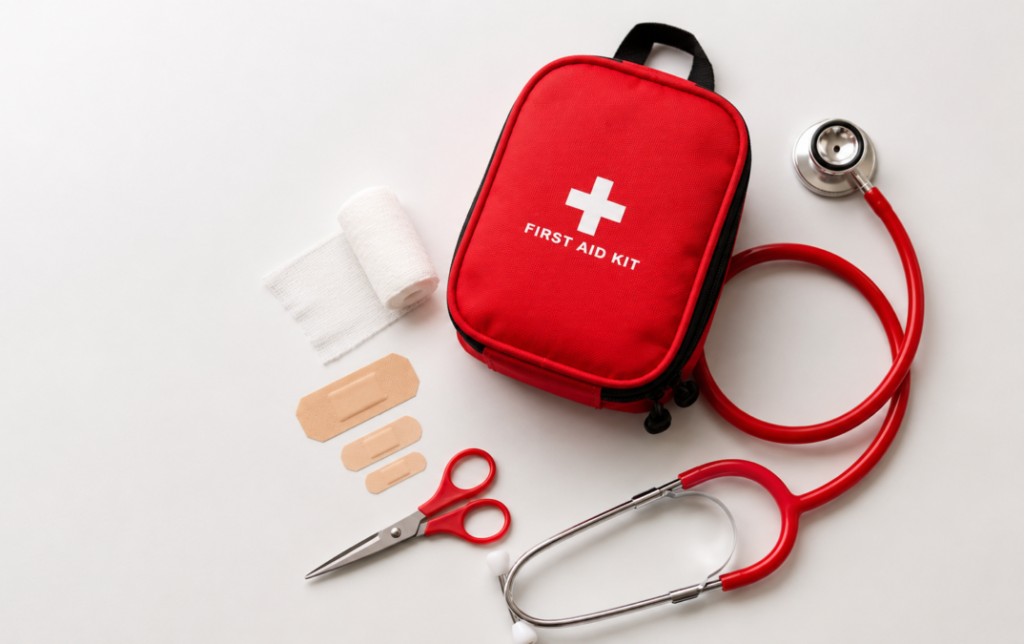
10 Essential First Aid Skills Everyone Should Know
Emergencies can happen anytime at home, at work, or in public places. Knowing essential first aid skills can make the difference between life and death before professional help arrives.
In this guide, you will learn the most important first aid techniques that everyone should know to respond confidently in emergencies.
Why First Aid Skills Are Important
First aid is the immediate care given to an injured or ill person before medical professionals arrive.
Knowing these skills helps you:
- Save lives during critical moments
- Prevent injuries from worsening
- Reduce recovery time
- Stay calm and act confidently in emergencies
10 Essential First Aid Skills Everyone Should Know
1. CPR (Cardiopulmonary Resuscitation)
CPR is one of the most important life-saving skills. It is used when a person stops breathing or their heart stops.
Key steps:
- Check responsiveness
- Call emergency services
- Perform chest compressions
- Provide rescue breaths
2. Using an AED (Automated External Defibrillator)
An AED helps restore a normal heart rhythm during cardiac arrest.
Important points:
- Follow voice instructions
- Safe for public use
- Only delivers shock when needed
3. Controlling Severe Bleeding
Heavy bleeding can lead to death within minutes.
What to do:
- Apply firm pressure using cloth or bandage
- Elevate the injured area if possible
- Do not remove soaked bandages
4. Treating Burns
Burns can occur from heat, electricity, or chemicals.
First aid steps:
- Cool the burn with clean water (10–20 minutes)
- Do not apply ice or toothpaste
- Cover with sterile dressing
5. Handling Choking Emergencies
Choking blocks airflow and requires immediate action.
Steps:
- Encourage coughing
- Perform abdominal thrusts (Heimlich maneuver)
- Call for help if unsuccessful
6. Managing Fractures and Sprains
Broken bones or sprains need proper immobilization.
What to do:
- Keep the injured area still
- Use splints if available
- Avoid moving the person unnecessarily
7. Treating Shock
Shock is a life-threatening condition caused by reduced blood flow.
Signs include:
- Pale skin
- Rapid breathing
- Weak pulse
First aid:
- Lay the person down
- Elevate legs slightly
- Keep them warm
8. Responding to Seizures
Seizures can be frightening but manageable.
Do:
- Protect the person from injury
- Turn them on their side
- Do not restrain movements
9. Handling Cuts and Wounds
Minor wounds still require proper care.
Steps:
- Clean with water
- Apply antiseptic
- Cover with dressing
10. Recognizing Heart Attack Symptoms
Early recognition can save lives.
Common signs:
- Chest pain or discomfort
- Shortness of breath
- Pain in arm, neck, or jaw
Action:
- Call emergency services immediately
- Help the person stay calm
When Should You Learn First Aid Skills?
The best time to learn first aid is before an emergency happens. Everyone from employees to parents should be equipped with these life saving skills.
Get Certified with Professional First Aid Training
While basic knowledge helps, proper training ensures you can respond effectively in real life situations.
Learn more about professional training here:
https://fera.com.my/kenapa-cpr-penting-dalam-menyelamatkan-nyawa/
Conclusion
Knowing these essential first aid skills empowers you to act quickly and confidently during emergencies. You don’t need to be a medical professional to save a life just prepared and trained.
Be Prepared. Be Confident. Save Lives.
Join FERA Training Center’s Basic Occupational First Aid, CPR & AED Training and gain hands-on, practical skills guided by experienced trainers.
HRD Corp Claimable
Certified First Aider Recognition
Real-life Emergency Simulations
Call / WhatsApp now:
https://wa.me/60122730893
Seats are limited secure your training today!