

Fire Safety Organization Structure: FSM, FSO, ERT & Fire Warden Explained
Fire safety is not just about having fire extinguishers or alarms – it requires a structured organization to ensure effective prevention, response, and compliance.
In Malaysia, the fire safety framework typically includes:
- Fire Safety Manager (FSM)
- Fire Safety Officer (FSO)
- Emergency Response Team (ERT)
- Fire Wardens
Each role plays a critical part in ensuring workplace safety and compliance with the Fire Services Act 1988 (Act 341) and guidelines by Jabatan Bomba dan Penyelamat Malaysia (JBPM).
What is a Fire Safety Organization Structure?
A Fire Safety Organization Structure is a hierarchical system designed to manage fire risks, emergency response, and evacuation procedures within a building or workplace.
It ensures:
- Clear roles and responsibilities
- Faster emergency response
- Legal compliance
- Effective evacuation during emergencies
Without a proper structure, even well-equipped buildings can fail during real emergencies.
Key Roles in Fire Safety Organization Structure
1. Fire Safety Manager (FSM)
The Fire Safety Manager (FSM) is the highest authority in the fire safety structure.
Responsibilities:
- Develop fire safety policies and procedures
- Ensure compliance with regulations
- Liaise with JBPM authorities
- Conduct fire risk assessments
- Oversee fire drills and audits
Who Needs FSM?
FSM is typically required for:
- High-rise buildings
- Shopping malls
- Hotels
- Industrial facilities
FSM is a legal requirement for designated premises in Malaysia.
2. Fire Safety Officer (FSO)
The Fire Safety Officer (FSO) supports the FSM and handles day-to-day fire safety operations.
Responsibilities:
- Monitor fire protection systems
- Conduct inspections and maintenance checks
- Train employees on fire safety
- Assist during emergencies
Key Insight:
FSO acts as the bridge between management and operational staff.
3. Emergency Response Team (ERT)
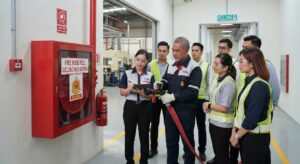
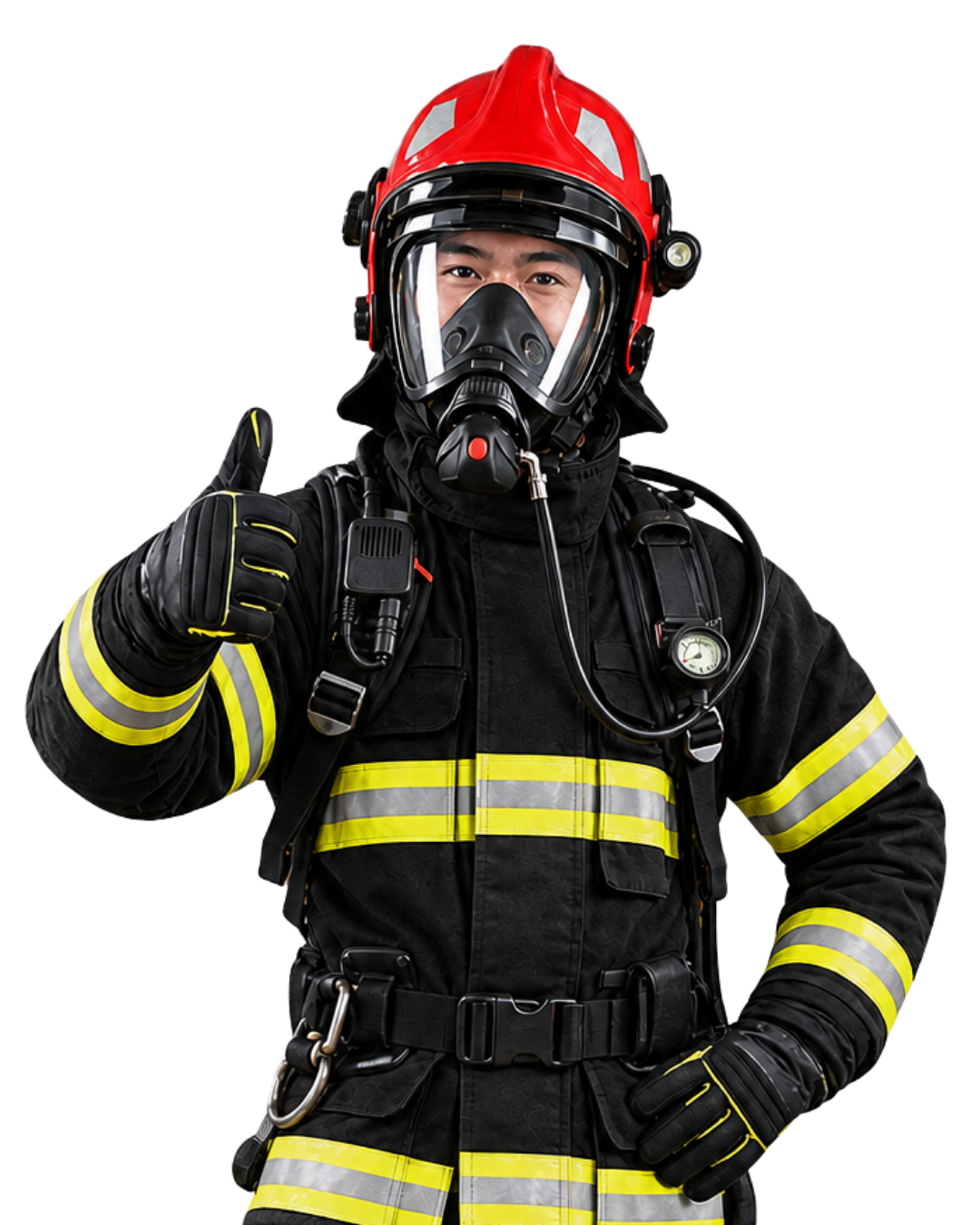
The Emergency Response Team (ERT) is the first responder group within an organization.
Responsibilities:
- Respond to fire incidents immediately
- Use fire extinguishers and hose reels
- Assist evacuation procedures
- Provide first aid if needed
ERT Members Typically Include:
- Firefighters (internal team)
- First aiders
- Rescue personnel
ERT is critical in the first 5 minutes of an emergency, where most lives are saved.
4. Fire Wardens
Fire Wardens are responsible for evacuation control and safety of occupants.
Responsibilities:
- Guide occupants to emergency exits
- Ensure no one is left behind
- Check rooms and toilets
- Report to assembly point
Types of Fire Wardens:
- Chief Fire Warden
- Floor/Zone Wardens
Fire Wardens are essential for organized evacuation, especially in offices and high rise buildings.
How These Roles Work Together
A strong fire safety organization works like a chain of command:
- FSM → Strategic leadership
- FSO → Operational control
- ERT → Emergency response
- Fire Wardens → Evacuation management
This structure ensures no confusion during emergencies, which can save lives and reduce damage.
Example Fire Safety Organization Structure
A typical structure looks like this:
- Fire Safety Manager (Top Level)
- Fire Safety Officer
- Emergency Response Team
- Fire Wardens (by floor/zone)
- Emergency Response Team
- Fire Safety Officer
This layered approach ensures efficient coordination during crises.
Legal Requirements in Malaysia
Under the Fire Services Act 1988 (Act 341):
- Certain buildings MUST appoint FSM/FSO
- Fire safety training is mandatory
- Regular fire drills must be conducted
- Non-compliance can lead to penalties
Failure to establish a fire safety organization may result in:
- Fines
- Legal action
- Increased fire risk
Why Fire Safety Organization Structure is Important
Key Benefits:
- Faster emergency response
- Reduced casualties
- Legal compliance
- Improved workplace safety culture
- Better coordination during evacuation
Organizations without proper structure often face chaotic evacuations and higher risk of fatalities.
Common Mistakes Companies Make
Avoid these common issues:
- No appointed FSM or FSO
- Untrained ERT members
- Lack of fire drills
- No clear evacuation plan
- Poor communication during emergencies
These mistakes can lead to serious legal and safety consequences.
How to Implement Fire Safety Organization in Your Company
Step-by-Step:
- Identify building risk level
- Appoint FSM/FSO (if required)
- Establish ERT team
- Assign Fire Wardens
- Conduct training and drills
- Review and improve regularly
For more detailed guidance, explore:
- https://fera.com.my/apa-itu-fire-safety-manager-fsm-fire-safety-officer-fso-malaysia
- https://fera.com.my/kesalahan-syarikat-tanpa-fsm-fso-malaysia
- https://fera.com.my/active-passive-fire-protection-system
Conclusion
A well defined Fire Safety Organization Structure is not optional it is essential.
By clearly defining roles such as FSM, FSO, ERT, and Fire Wardens, organizations can:
- Protect lives
- Ensure compliance
- Respond effectively to emergencies
Investing in proper fire safety structure today can prevent disasters tomorrow.
Build a compliant and effective Fire Safety Organization today!
Join FERA Training Center’s professional programs:
- Fire Safety Manager (FSM)
- Fire Safety Officer (FSO)
- Emergency Response Team (ERT) Training
- Fire Warden Training
Contact us now:
https://wa.me/60122730893
HRD Corp Claimable | Certified Trainers | Real Practical Training